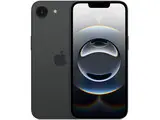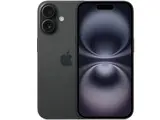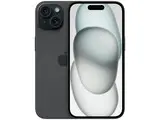
Refurbished iPhones receive exactly the same iOS updates as new iPhones of the same model. Apple does not distinguish between new and refurbished devices when delivering software updates. What determines update longevity is the model, not how it was purchased.
How long does Apple support iPhones?
Apple typically provides iOS updates for 6 to 7 years after a model's original release. The iPhone XR and iPhone XS, released in 2018, took their last major update with iOS 18 in 2024 and stopped qualifying for new versions when iOS 26 arrived the year after, a run of 7 years. Older models had shorter runs. The iPhone 8 (2017) ended on iOS 16 in 2022 and has received only security patches since.
The current version is iOS 27, available from September 14, 2026. It supports the iPhone 11 and later and the iPhone SE (2nd generation) and later, so no model loses update eligibility this year. iOS 27 drops nothing from the iOS 26 list and adds the three models Apple announced in September 2026: the iPhone 18 Pro and iPhone 18 Pro Max, which reach customers on September 18, and the iPhone Duo, Apple's first foldable iPhone, on October 23.
Which refurbished iPhones still receive updates?
When choosing a refurbished iPhone, check whether the model is still receiving the latest version of iOS. Models that support the current iOS version will continue to receive security patches and new features. You can find more detail in our guide on how long Apple supports iPhones.
Why does this matter for refurbished buyers?
Since refurbished iPhones are typically 1 to 4 years old at the time of purchase, you may have fewer years of updates remaining compared to buying new. To maximize your update window, consider buying a more recent model. On RefurbMe, you can sort results by newest to find the latest models at refurbished prices.