


Every iPhone released since 2015 has received at least six years of major iOS updates, and the most recent models to reach their ceiling got seven. That is considerably more than the typical Android handset. Whether you want to know if your current phone still gets updates, or you are shopping for a refurbished iPhone and wondering how many years of support remain, this guide has the answer.
How long a model keeps getting updates also decides when it becomes worth buying second hand. RefurbMe tracks that second half: the median gap between an iPhone release and its first refurbished listing anywhere we track is 82 days in the US, read live from our iPhone stats page on September 12, 2026. It is the reason the phones Apple announced this month cannot be bought refurbished yet, however many years of support they carry.
This article covers how long Apple supports each iPhone model through iOS 27, which Apple announced at WWDC on June 8, 2026 and releases on September 14, 2026. No iPhone drops off the list this year. iOS 27 keeps every device iOS 26 supported and adds the three models Apple announced in September 2026. It also explains which devices are now classified as obsolete or vintage, and gives you practical advice on timing your next upgrade.
Table of contents
- How long will my iPhone be supported?
- What are the obsolete and vintage iPhones?
- Frequently asked questions
- Takeaway
How long will my iPhone be supported?
To understand Apple's support timeline, it helps to know what "support" actually means. When Apple releases a new iOS version, the system requirements rise. Devices that cannot meet those requirements stop receiving major OS updates at that point. Security patches, however, often continue on the older OS branch for a year or two after the cutoff.
Let's look at the full historical record: every iPhone model, its release date, discontinuation date, and maximum iOS compatibility.
Important note: support end dates for current models are estimates. They project 7 years of major OS updates from release, which is the top of what Apple has delivered so far, not the average. Of the models released since 2015 that have already hit their ceiling, the range runs 6 to 7 years and averages 6.4. Apple keeps stretching that span, and the iPhone 11 is on course to be the first to reach 8, so read the dates below as the optimistic end rather than a promise.
| Model | Release date | Discontinuation date | Supported | Maximum iOS compatibility |
|---|---|---|---|---|
| iPhone | Jun 29, 2007 | Jul 15, 2008 | No | iOS 3 |
| iPhone 3G | Jun 09, 2008 | Jun 7, 2010 | No | iOS 4 |
| iPhone 3GS | Jun 19, 2009 | Sep 12, 2012 | No | iOS 6 |
| iPhone 4 | Jun 24, 2010 | Sep 10, 2013 | No | iOS 7 |
| iPhone 4S | Oct 14, 2011 | Sep 9, 2014 | No | iOS 9 |
| iPhone 5C | Sep 20, 2013 | Sep 9, 2015 | No | iOS 10 |
| iPhone 5S | Sep 20, 2013 | Mar 21, 2016 | No | iOS 12 |
| iPhone 6 / iPhone 6 Plus | Sep 25, 2014 | Sep 7, 2016 | No | iOS 12 |
| iPhone 6S / 6S Plus | Sep 25, 2015 | Sep 12, 2018 | No | iOS 15 |
| iPhone SE (1st generation) | Mar 31, 2016 | Sep 12, 2018 | No | iOS 15 |
| iPhone 7 / 7 Plus | Sep 16, 2016 | Sep 12, 2017 | No | iOS 15 |
| iPhone 8 / 8 Plus | Sep 22, 2017 | Apr 15, 2020 | No | iOS 16 |
| iPhone X | Nov 3, 2017 | Sep 12, 2018 | No | iOS 16 |
| iPhone XS / XS Max | Sep 21, 2018 | Sep 10, 2019 | No (iOS 18 max, security patches continue) | iOS 18 |
| iPhone XR | Oct 26, 2018 | Sep 14, 2021 | No (iOS 18 max, security patches continue) | iOS 18 |
| iPhone 11 | Sep 20, 2019 | Sep 7, 2022 | Yes, until ~2027 | iOS 27 |
| iPhone 11 Pro / 11 Pro Max | Sep 20, 2019 | Oct 13, 2020 | Yes, until ~2027 | iOS 27 |
| iPhone SE (2nd generation) | Apr 24, 2020 | Mar 8, 2022 | Yes, until ~2027 | iOS 27 |
| iPhone 12 | Oct 23, 2020 | Sep 12, 2023 | Yes, until ~2027 | iOS 27 |
| iPhone 12 mini | Nov 13, 2020 | Sep 7, 2022 | Yes, until ~2027 | iOS 27 |
| iPhone 12 Pro | Oct 23, 2020 | Sep 14, 2021 | Yes, until ~2027 | iOS 27 |
| iPhone 12 Pro Max | Nov 13, 2020 | Sep 14, 2021 | Yes, until ~2027 | iOS 27 |
| iPhone 13 | Sep 24, 2021 | In production | Yes, until ~2028 | iOS 27 |
| iPhone 13 mini | Sep 24, 2021 | Sep 12, 2023 | Yes, until ~2028 | iOS 27 |
| iPhone 13 Pro / Pro Max | Sep 24, 2021 | Sep 7, 2022 | Yes, until ~2028 | iOS 27 |
| iPhone SE (3rd generation) | Mar 18, 2022 | Feb 19, 2025 | Yes, until ~2029 | iOS 27 |
| iPhone 14 | Sep 16, 2022 | Feb 19, 2025 | Yes, until ~2029 | iOS 27 |
| iPhone 14 Plus | Oct 7, 2022 | Feb 19, 2025 | Yes, until ~2029 | iOS 27 |
| iPhone 14 Pro / 14 Pro Max | Sep 16, 2022 | Sep 12, 2023 | Yes, until ~2029 | iOS 27 |
| iPhone 15 | Sep 22, 2023 | In production | Yes, until ~2030 | iOS 27 |
| iPhone 15 Plus | Sep 22, 2023 | In production | Yes, until ~2030 | iOS 27 |
| iPhone 15 Pro | Sep 22, 2023 | Sep 9, 2024 | Yes, until ~2030 | iOS 27 |
| iPhone 15 Pro Max | Sep 22, 2023 | Sep 9, 2024 | Yes, until ~2030 | iOS 27 |
| iPhone 16 | Sep 20, 2024 | In production | Yes, until ~2031 | iOS 27 |
| iPhone 16 Plus | Sep 20, 2024 | In production | Yes, until ~2031 | iOS 27 |
| iPhone 16 Pro | Sep 20, 2024 | In production | Yes, until ~2031 | iOS 27 |
| iPhone 16 Pro Max | Sep 20, 2024 | In production | Yes, until ~2031 | iOS 27 |
| iPhone 16e | Feb 28, 2025 | In production | Yes, until ~2032 | iOS 27 |
| iPhone 17 | Sep 19, 2025 | In production | Yes, until ~2032 | iOS 27 |
| iPhone Air | Sep 19, 2025 | In production | Yes, until ~2032 | iOS 27 |
| iPhone 17 Pro | Sep 19, 2025 | In production | Yes, until ~2032 | iOS 27 |
| iPhone 17 Pro Max | Sep 19, 2025 | In production | Yes, until ~2032 | iOS 27 |
| iPhone 17e | Mar 11, 2026 | In production | Yes, until ~2033 | iOS 27 |
| iPhone 18 Pro | Sep 18, 2026 | In production | Yes, until ~2033 | iOS 27 |
| iPhone 18 Pro Max | Sep 18, 2026 | In production | Yes, until ~2033 | iOS 27 |
| iPhone Duo | Oct 23, 2026 | In production | Yes, until ~2033 | iOS 27 |
As you can see, iOS 27 supports the iPhone 11 and newer, including the iPhone SE (2nd and 3rd generation) and the iPhone 17e released in March 2026. No iPhone loses support this year. Apple carried the whole iOS 26 list forward and added the September 2026 models on top of it. The iPhone XR and XS series are capped at iOS 18 but continue to receive critical security patches. The iPhone 8 and X generation stopped at iOS 16.
The last three rows are the newest models. The iPhone 18 Pro and iPhone 18 Pro Max reach customers on September 18, 2026 and the iPhone Duo, Apple's first foldable, on October 23, so those dates are Apple's published availability rather than stock already on shelves. All three ship with iOS 27 and should keep receiving major updates into 2033. None of them exists refurbished today, and on the 82-day median above they will not for months. We track when a refurbished iPhone Duo or 18 Pro will appear and what the first units are likely to cost.
Is your iPhone running out of updates?
Buy one with years of iOS support left. Compare refurbished iPhones from Apple, Back Market, Amazon Renewed, and more, with live prices in one place.
Compare refurbished iPhonesTake a look at the full iPhone stats page on RefurbMe for live price trends, average discounts, and the days from release to first refurbished listings. It is a quick way to time your next purchase.
Apple issues critical security updates on older iOS branches for supported devices, so even phones that have reached their maximum iOS version are not necessarily left unprotected overnight. In the next section you will see which models are now vintage or obsolete, where official service and parts availability begin to wind down.
What are the obsolete and vintage iPhones?
When considering how long Apple supports older iPhone models, it helps to start with Apple's official policy.
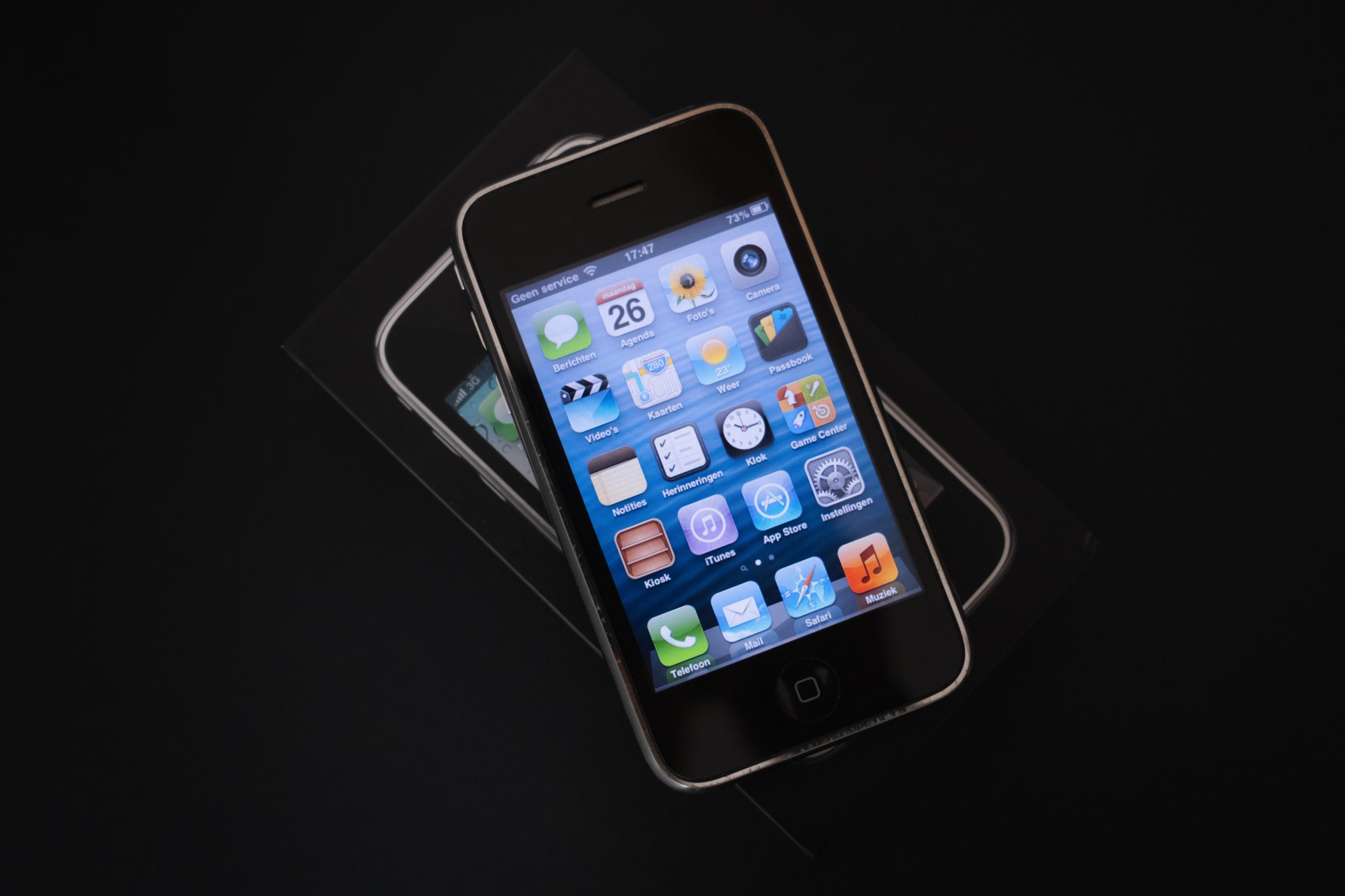
iPhone 4
Obsolete iPhones list
Obsolete iPhones are discontinued models for which it has been more than seven years since Apple last distributed them for sale. Apple and Authorized Service Providers no longer offer hardware service for these devices.
- iPhone (the original, 2007)
- iPhone 3G
- iPhone 3GS
- iPhone 4
- iPhone 4S
- iPhone 5 (added to obsolete list March 2026)
- iPhone 5C
- iPhone 5S
- iPhone 6
- iPhone 6 Plus
- iPhone 6S Plus (32GB)
Vintage iPhones list
Vintage iPhones are models Apple stopped distributing more than five but less than seven years ago. Repairs may still be offered, subject to parts availability.
- iPhone SE (1st generation)
- iPhone 6S
- iPhone 6S Plus (except 32GB, which is obsolete)
- iPhone 7
- iPhone 7 Plus
- iPhone 8, 64GB and 256GB models
- iPhone 8 (PRODUCT RED)
- iPhone 8 Plus (PRODUCT RED)
- iPhone X
- iPhone XS
- iPhone XS Max
- iPhone 11 Pro
- iPhone 11 Pro Max
Note on network coverage: All major US carriers completed their 3G shutdowns in 2022. European operators are phasing out 3G through 2025, and in the UK Virgin Media O2 began switching off 3G in 2025. If you rely on a 3G-only handset, mobile data connectivity will be affected.
Frequently asked questions
Takeaway
Apple's track record on software support is one of the best in the smartphone industry. Budget-tier models and older flagships have been getting six to seven years of major iOS updates, and that span is still growing. The jump from iOS 18 to iOS 26 (Apple's year-based versioning system) drew a clear support boundary. The iPhone XS, iPhone XS Max, and iPhone XR stop at iOS 18, while the iPhone 11 and every model released since then runs iOS 27, released on September 14, 2026, because Apple dropped nothing from the list this year.
If you are shopping for a refurbished iPhone, prioritize models from the iPhone 12 generation or newer to get the most remaining software support. For a detailed comparison of sellers and prices, see our guide to the best places to buy refurbished iPhones, or explore how refurbished differs from used and new Apple devices before you decide.
We will update this post whenever a new iPhone or iOS version is released, or any iPhone is reclassified as vintage or obsolete, so bookmark this page and check back when you need the latest data.

64GB storage
Black
64GB storage
Black
64GB storage
Black
Last updated: Sep 15, 2026 · First published: Sep 19, 2025


