

Are you torn between the iPhone 14 and the iPhone 14 Plus? This in-depth comparison breaks down the key differences between these two models. We cover size, battery life, display, and performance to help you decide which iPhone is the right fit for your needs, and whether either model still makes sense as a refurbished buy in 2026.
The short answer: the iPhone 14 and iPhone 14 Plus are the same phone in two sizes. They share the A15 Bionic chip, 6GB of RAM, the same dual 12MP cameras, and identical storage options. The only real differences are size and battery: the Plus has a larger 6.7-inch display and up to 26 hours of video playback, while the standard iPhone 14 has a 6.1-inch display, up to 20 hours, a lighter body, and a lower price.
According to RefurbMe's tracking, a refurbished iPhone first reaches the refurbished market a median of 82 days after Apple's release (Time-to-Refurb, as of July 2026), so both of these 2022 models have been widely available secondhand for years. That figure is the family median across every iPhone in the RefurbMe Refurbished Apple Price Index; the median Refurb Discount across all iPhone models RefurbMe tracks runs high because it spans legacy devices, so treat it as an orientation number, not the discount on any single current model.
Table of contents
- iPhone 14 vs. iPhone 14 Plus: Specs comparison table
- Reasons to choose the iPhone 14
- Reasons to choose the iPhone 14 Plus
- iPhone 14 vs. iPhone 14 Plus: 5 key differences
- Are iPhone 14 models worth buying in 2026?
- FAQ
- Conclusion
iPhone 14 vs. iPhone 14 Plus: Specs comparison table
| Feature | iPhone 14 | iPhone 14 Plus |
|---|---|---|
| Release date | September 16, 2022 | October 7, 2022 |
| Dimensions | 5.8 x 2.8 x 0.31 in 146.7 x 71.5 x 7.8 mm | 6.3 x 3.1 x 0.31 in 160.8 x 78.1 x 7.8 mm |
| Weight | 6.1 oz 172 g | 7.1 oz 203 g |
| Display size | 6.1 inches | 6.7 inches |
| Display resolution | 2532 x 1170 | 2778 x 1284 |
| Display technology | Super Retina XDR | Super Retina XDR |
| Refresh rate | 60Hz | 60Hz |
| CPU | A15 Bionic | A15 Bionic |
| RAM | 6GB | 6GB |
| Rear camera | Dual 12MP | Dual 12MP |
| Front camera | 12MP TrueDepth | 12MP TrueDepth |
| Battery life | Up to 20 hours of video playback | Up to 26 hours of video playback |
| Storage options | 128GB, 256GB, 512GB | 128GB, 256GB, 512GB |
| Colors | Midnight, Purple, Starlight, (PRODUCT)RED, Blue | Midnight, Purple, Starlight, (PRODUCT)RED, Blue |
| Water and dust resistance | IP68 | IP68 |
| Original price | $799 | $899 |
| Price (refurbished) | Starting at | Starting at |
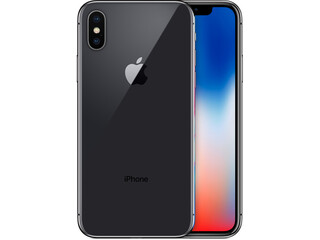
Reasons to choose the iPhone 14


128GB storage
Midnight
- More compact and easier to carry.
- Lighter weight, making it more comfortable for extended use.
- Lower price point, refurbished units start around $224.
- Easier to use with one hand.
- Fits better in smaller pockets and bags.
Reasons to choose the iPhone 14 Plus
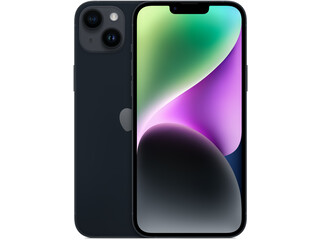
128GB storage
Midnight

128GB storage
Blue

128GB storage
Purple
- Larger display for enhanced media consumption.
- Significantly longer battery life, up to 26 hours of video playback.
- Better thermal management for intensive tasks.
- Ideal for gaming and streaming with a bigger screen.
- Delivers a large-screen experience without the Pro Max price tag.
iPhone 14 vs. iPhone 14 Plus: 5 key differences
Let's review all the key differences between the iPhone 14 and the iPhone 14 Plus. It is more than just the size.
1. The iPhone 14 Plus has a bigger screen and higher resolution
The iPhone 14 features a 6.1-inch OLED Super Retina XDR display with a resolution of 2532 by 1170 pixels, offering sharp visuals and vibrant colors for everyday tasks and media.
In contrast, the iPhone 14 Plus boasts a larger 6.7-inch OLED Super Retina XDR display with a higher resolution of 2778 by 1284 pixels, providing an even more immersive viewing experience that suits media consumption, gaming, and reading. Note that neither model offers the 120Hz ProMotion refresh rate found in the Pro lineup, both are capped at 60Hz.
2. The iPhone 14 Plus has a longer battery life
Battery performance is the single most meaningful differentiator between the two models. The iPhone 14 offers up to 20 hours of video playback, which covers the needs of most typical users through a full day.
The iPhone 14 Plus extends this to an impressive 26 hours, backed by a 4,323 mAh battery compared to the standard model's 3,279 mAh. That 30% advantage in capacity is not theoretical, in real-world use, heavy users consistently reach the end of a long day with charge to spare on the Plus, while the standard iPhone 14 may require a top-up by evening. For frequent travelers, remote workers, or anyone who relies on their phone away from a power outlet, the Plus model's battery alone can justify the price difference.
3. The iPhone 14 is more compact and lighter
The physical dimensions matter as much as performance for many buyers. The iPhone 14 measures 146.7 x 71.5 x 7.8 mm and weighs 172 grams. It is compact and lightweight, making single-handed operation comfortable and reducing fatigue during prolonged use.
The iPhone 14 Plus stands taller at 160.8 x 78.1 mm and weighs 203 grams, noticeably heavier when held for long periods. The larger footprint also makes pocket carry less convenient. If physical comfort or one-handed usability is a priority, the standard iPhone 14 has a clear edge.
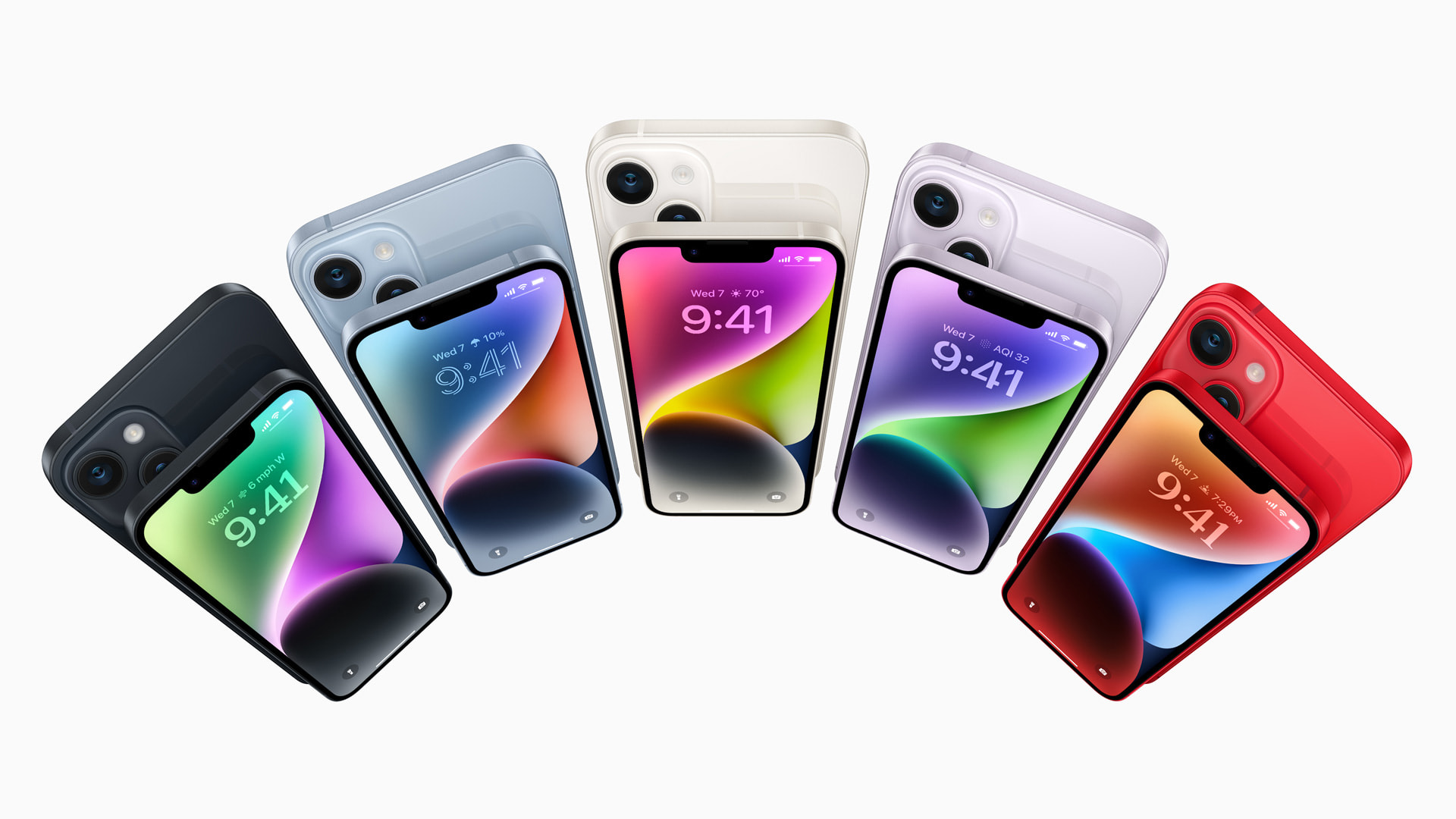
iPhone 14 and 14 Plus colors Image by: Apple
4. The iPhone 14 Plus has better thermal management
Both models share the A15 Bionic chip, the same processor found in the iPhone 13 Pro, and deliver identical performance in everyday tasks, benchmarks, and camera processing. However, the Plus model's larger chassis provides more surface area for heat dissipation. The iPhone 14 Plus manages sustained loads better, which matters during extended gaming sessions, long video recordings, or intensive app usage. Users who push their phones hard will notice the Plus throttles less under pressure.
Learn more: Best AI apps for your iPhone
5. The iPhone 14 is more affordable
When new, the iPhone 14 started at $799 and the iPhone 14 Plus at $899. Both were discontinued by Apple in February 2025 following the launch of the iPhone 16e. Today, the refurbished market offers both at dramatically reduced prices. Certified refurbished iPhone 14 units start around $224 depending on storage and condition, while the iPhone 14 Plus typically starts around $296. The roughly $70 gap between comparable configurations is narrower than it once was, making the decision less about price and more about which features matter to you.
Are iPhone 14 models worth buying in 2026?
Both models were discontinued in February 2025, but that does not make them poor choices, it makes them better value in the refurbished market. Apple will continue providing iOS updates for iPhone 14 models through 2029, so any device purchased today still has at least three years of software support ahead of it.
The A15 Bionic chip handles all mainstream tasks, streaming, messaging, photography, navigation, and light gaming, without hesitation. The cameras are still competitive, featuring a dual 12MP system with the Photonic Engine for excellent low-light performance, and Emergency SOS via satellite remains a genuine safety advantage unavailable on older models.
One meaningful limitation worth acknowledging: iPhone 14 models do not support Apple Intelligence, the AI feature set introduced with iPhone 15 Pro and iPhone 16. If on-device AI tools are a priority, stepping up to a refurbished iPhone 15 is worth considering. Refurbished iPhone 15 units now start around $357, roughly $130 more than the iPhone 14 for comparable storage.
For buyers who want reliable, flagship-quality performance without paying for the latest generation, a certified refurbished iPhone 14 or 14 Plus, sourced from a reputable seller like Back Market, Amazon Renewed, or Apple, remains a compelling choice. See our guide to the best places to buy refurbished iPhones for a full comparison of sellers. For price floors, storage advice, and arrival checks, our dedicated refurbished iPhone 14 guide goes deeper.
FAQ
Conclusion
If you prioritize a compact design, comfortable one-handed use, and the lowest possible price, the iPhone 14 is an excellent refurbished buy.
For those who value a larger display, significantly longer battery life, and better sustained performance under load, the iPhone 14 Plus is the stronger choice, especially given that the price gap in the refurbished market is now relatively small.
Both models offer IP68 water resistance, the capable A15 Bionic chip, dual cameras, and iOS support through 2029. No matter which model fits your preferences, explore current refurbished prices on RefurbMe. You can find both the iPhone 14 and iPhone 14 Plus in verified working condition at a significant discount from reputable sellers like Back Market, Amazon Renewed, and Apple.
128GB storage
Midnight
Last updated: Jul 11, 2026 · First published: Jul 19, 2024