
Refurbished Macs receive exactly the same macOS updates as new Macs of the same model. Apple delivers updates based on the hardware, not how the device was purchased. A refurbished MacBook Pro will get the same macOS versions and security patches as a brand-new one.
How long does Apple support Macs?
Apple has historically supported Macs with major macOS updates for approximately 7 to 8 years after their original release. The current version is macOS 27 Golden Gate, released on September 14, 2026. Golden Gate runs exclusively on Apple Silicon (M1 and later), which makes Tahoe the last major version for Intel Macs. Macs with Apple Silicon are expected to receive even longer support, since Apple controls both the hardware and software.
Which refurbished Macs still receive updates?
When shopping for a refurbished Mac, check whether the model supports the latest version of macOS. As a general rule:
- Apple Silicon Macs (M1 and later): All run macOS 27 Golden Gate, released on September 14, 2026. These are the safest choice for long-term support.
- Intel Macs (2017-2020): Models on macOS 26 Tahoe have reached their final major version, since macOS 27 supports Apple Silicon only. They are still expected to receive security updates for roughly 3 more years.
- Intel Macs (2016 and older): Most no longer receive major macOS updates, though they may still get occasional security patches.
Tips for refurbished Mac buyers
To maximize your software support window, prioritize Apple Silicon models when browsing RefurbMe. You can filter by CPU generation to find M1, M2, M3, or M4 Macs. Even a refurbished M1 MacBook from 2020 is likely to receive updates for several more years. If you are tempted by a cheaper Intel model, our guide on whether Intel Macs are obsolete weighs the risk. One detail worth knowing: Golden Gate will be the last macOS to include Rosetta 2, Apple's translation layer for older Intel apps.
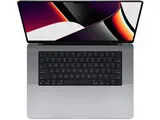 MacBook Pro 16" M1 Pro (2021), 32GB memory, 512GB $745 Fair at Back Market Excellent from $1,054 12 offers
- MacBook Pro 16" M1 Pro (2021), 16GB memory, 512GB $703 Good at Back Market Excellent from $896 13 offers
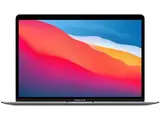 MacBook Air 13.3" M1 (2020), 16GB memory, 256GB $537 Fair at eBay Refurbished Excellent from $599 4 offers