

Short answer: for almost everyone shopping refurbished in 2026, the iPhone 12 is the better buy. It still runs iOS 26 (with iOS 27 confirmed), adds 5G, an OLED display, and a far better camera, and starts around $134 refurbished as of July 2026. The iPhone 8 Plus only makes sense on the tightest budget or if you specifically want Touch ID, since it is stuck on iOS 16 and Apple no longer ships it new updates.
The iPhone 8 Plus (2017) and iPhone 12 (2020) sit three generations apart in Apple's lineup, and in 2026, the gap between them has only widened. Apple officially declared the iPhone 8 Plus obsolete in March 2026, meaning it can no longer be serviced at Apple Stores or authorized providers. The iPhone 12, meanwhile, still runs iOS 26 and continues to receive security patches.
Both remain popular picks on the refurbished market thanks to their low price points. But which one actually makes sense today? Below, we break down every meaningful difference (from display quality and camera performance to software longevity and 5G support) so you can make an informed decision.
According to RefurbMe's own tracking, a refurbished iPhone first reaches the market a median of 82 days after Apple's release (Time-to-Refurb, part of the RefurbMe Refurbished Apple Price Index, as of July 2026), so established models like the iPhone 12 have been widely available refurbished for years. You can browse current refurbished iPhone prices and availability stats to see how the family trends.
Table of contents
- Reasons to buy the iPhone 8 Plus
- Reasons to buy the iPhone 12
- iPhone 8 Plus vs. iPhone 12: Specs comparison table
- iPhone 8 Plus vs. iPhone 12: All the differences
- Who should buy which?
- Frequently asked questions
- Takeaway
Reasons to buy the iPhone 8 Plus
- The most affordable refurbished iPhone you can find
- 2x optical zoom in the rear camera
- Fingerprint scanner via Touch ID
- Handles everyday tasks (calls, messaging, browsing) without issue
- Familiar home button interface preferred by some users


Reasons to buy the iPhone 12
- Runs iOS 26, still receiving software and security updates
- Significantly better performance with the A14 Bionic chip
- Superior camera with Night Mode, Deep Fusion, and an ultra-wide lens
- Larger 6.1-inch OLED display with HDR and Dolby Vision
- 5G connectivity and Wi-Fi 6 support
- MagSafe wireless charging at up to 15W
- IP68 water resistance, rated for up to 6 meters

64GB storage
Black
64GB storage
Black

64GB storage
Purple
iPhone 8 Plus vs. iPhone 12: Specs comparison table
| Feature | iPhone 8 Plus | iPhone 12 |
|---|---|---|
| Dimensions | 6.24 x 3.07 x 0.30 in 158.4 x 78.1 x 7.5 mm | 5.78 x 2.82 x 0.29 in 146.7 x 71.5 x 7.4 mm |
| Weight | 7.13 oz 202g | 5.78 oz 164g |
| Display size | 5.5 inches | 6.1 inches |
| Display type | Retina HD (LCD) | Super Retina XDR (OLED) |
| Display resolution | 1920 x 1080 pixels at 401 PPI | 2532 x 1170 pixels at 460 PPI |
| Chip | A11 Bionic (10nm) | A14 Bionic (5nm) |
| RAM | 3GB | 4GB |
| Main camera | Dual 12MP (Wide & Telephoto) | Dual 12MP (Ultra wide & Wide) |
| Front camera | 7MP FaceTime HD | 12MP TrueDepth |
| Battery capacity | 2675 mAh | 2815 mAh |
| Storage | 64GB, 128GB, 256GB | 64GB, 128GB, 256GB |
| Water and dust resistance | IP67 (up to 1m for 30 mins) | IP68 (up to 6m for 30 mins) |
| Max OS compatibility | iOS 16 (no longer updated) | iOS 26 (iOS 27 confirmed) |
| 5G connectivity | No | Yes |
| Biometric authentication | Touch ID (fingerprint) | Face ID (facial recognition) |
| Colors | Gold, silver, space gray, red | Black, white, red, green, blue, purple |
| Original price | $799 | $799 |
| Price (refurbished) | Starting at | Starting at |
iPhone 8 Plus vs. iPhone 12: All the differences
Display
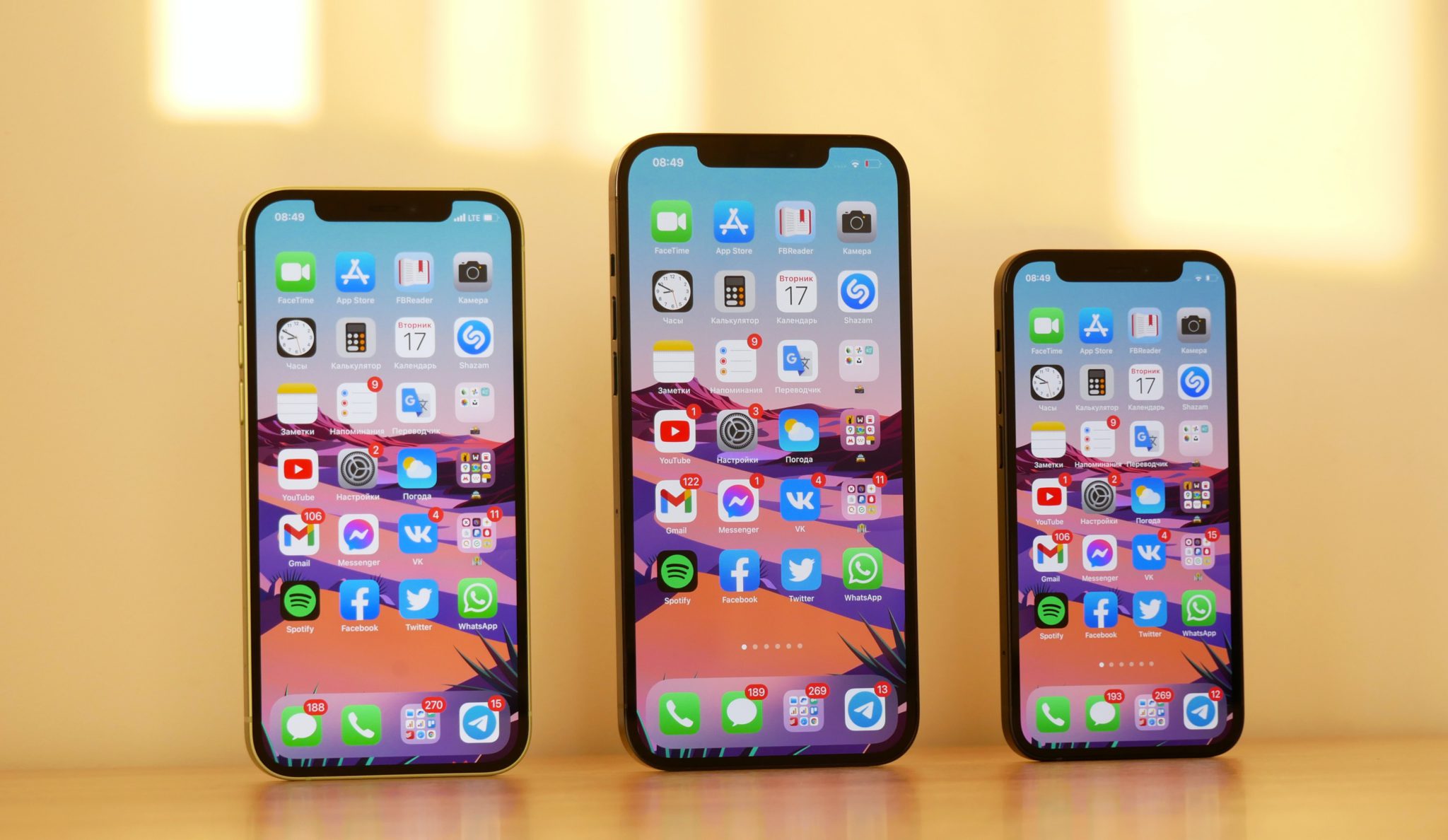
The iPhone 12 has a bigger, brighter, and higher-resolution display that supports HDR and Dolby Vision playback. Its 6.1-inch Super Retina XDR panel uses OLED technology, delivering true blacks, an infinite contrast ratio, and 460 pixels per inch. The screen is protected by Ceramic Shield, which Apple says offers 4x better drop performance than the glass on older models.
iPhone 12 series
The iPhone 8 Plus, by contrast, uses an LCD panel with a 5.5-inch Retina HD display at 401 PPI. Apple moved away from LCD with the iPhone X in 2017, adopting OLED across its flagship lineup, the same technology found in the iPhone 12 and iPhone 12 mini.
The practical difference is significant. OLED delivers sharper colors, deeper blacks, and better contrast, covering roughly 118% of the sRGB color spectrum compared to the LCD's more limited range. For streaming, photography, or even everyday reading, the iPhone 12's display is noticeably superior.
Design
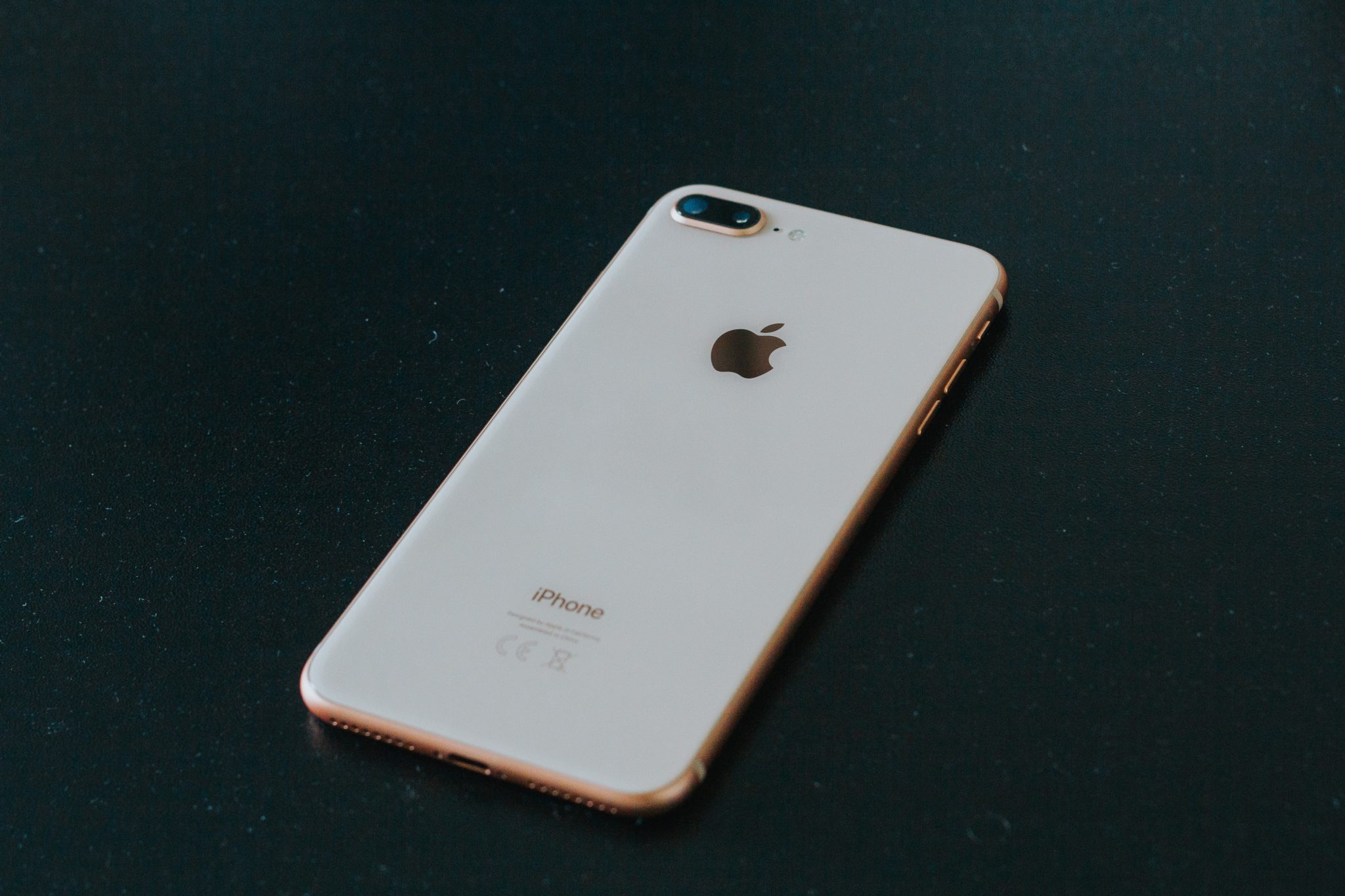
The iPhone 12 is more compact, slimmer, and lighter than the iPhone 8 Plus, despite packing a screen that is 0.6 inches larger. Apple's flat-edge design language gives the iPhone 12 a modern, industrial look, while the 8 Plus retains the rounded aluminum body with thick top and bottom bezels.
The iPhone 12 replaced the home button and Touch ID with Face ID, housed in a notch at the top of the display. For users who prefer fingerprint authentication (especially with face coverings), the iPhone 8 Plus still has an edge here.
Durability also favors the newer model. The iPhone 12's Ceramic Shield front cover is four times more resistant to drops, and its IP68 rating means it can survive submersion in up to 6 meters of water for 30 minutes. The iPhone 8 Plus carries an IP67 rating, limited to just 1 meter.
iPhone 8 Plus
Performance
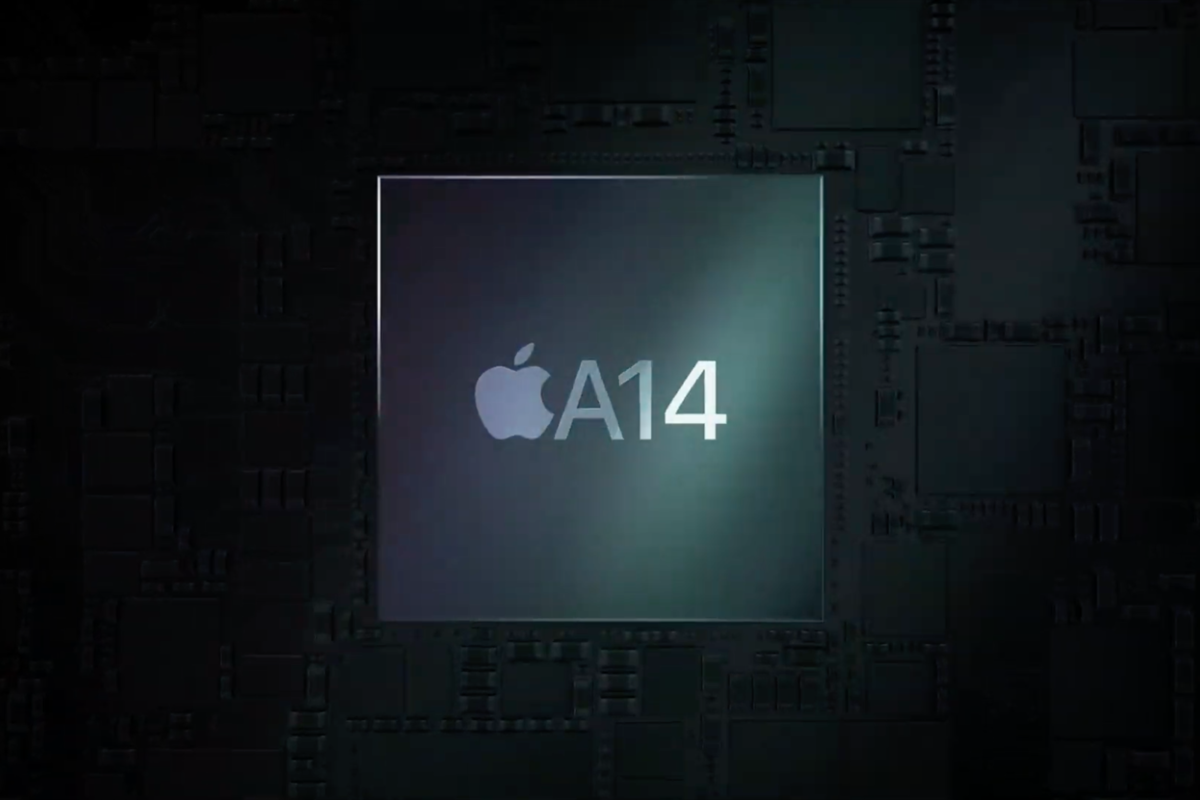
The A11 Bionic chip inside the iPhone 8 Plus was groundbreaking when it launched in 2017: it introduced Apple's first Neural Engine and outpaced every Android competitor of its era. However, in 2026, its age is showing. The 10nm fabrication process and 2-core Neural Engine struggle with modern apps that rely heavily on machine learning.
The iPhone 12's A14 Bionic is built on a 5nm process, making it roughly 2.2x faster in benchmark tests like AnTuTu (approximately 1,097,000 vs. 470,000). Apple claimed the CPU was 50% faster than any competing smartphone chip at launch, and the GPU matched that lead. The 16-core Neural Engine handles on-device AI tasks (such as computational photography and real-time text recognition) far more efficiently.
For everyday use, both phones handle calls, messaging, and web browsing without issue. But for gaming, photo editing, or running multiple apps simultaneously, the iPhone 12 pulls decisively ahead.
Camera
The camera system is one of the most compelling reasons to choose the iPhone 12 over the 8 Plus. Both feature dual 12MP rear cameras, but the configurations differ in important ways.
The iPhone 8 Plus pairs a wide lens (f/1.8) with a telephoto lens (f/2.8), offering 2x optical zoom, a feature the iPhone 12 lacks. If close-up shots matter to you, that is worth noting.
The iPhone 12 trades the telephoto for an ultra-wide lens (f/2.4) with a 120-degree field of view. It also gains Night Mode for low-light photography, Deep Fusion for texture and detail optimization, and Smart HDR 3 for better dynamic range. The front camera jumps from 7MP to 12MP, producing sharper selfies and supporting Night Mode as well.
Apple's computational photography, powered by the A14 Bionic's Neural Engine, gives the iPhone 12 a substantial advantage in image processing. Dolby Vision HDR video recording at up to 4K/60fps is another exclusive feature. For most buyers, the iPhone 12's camera is the clear winner.
Storage and RAM
Both the iPhone 8 Plus and the iPhone 12 are available in 64GB, 128GB, and 256GB storage configurations. Neither supports expandable storage, so choosing the right capacity at purchase is essential.
The iPhone 12 carries 4GB of RAM compared to the 3GB in the iPhone 8 Plus. That extra gigabyte makes a noticeable difference when multitasking, keeping more apps active in memory and reducing reload times when switching between them.
Connectivity
The iPhone 12 was Apple's first 5G iPhone, supporting both sub-6GHz and mmWave bands (mmWave in the US model). It also includes the U1 ultra-wideband chip for precise spatial awareness, dual-SIM support (nano-SIM + eSIM), and Wi-Fi 6 (802.11ax) for faster wireless speeds.
The iPhone 8 Plus is limited to 4G LTE, Wi-Fi 5 (802.11ac) with MIMO, and a single nano-SIM slot. With 5G networks now widely deployed across the US, the connectivity gap has become more meaningful than it was at launch. If you plan to keep your phone for several years, 5G readiness is a significant advantage.
Battery life and charging
The iPhone 12 offers up to 17 hours of video playback compared to the iPhone 8 Plus's 14 hours. The A14 Bionic's 5nm efficiency plays a role here, doing more work per watt than the older A11.
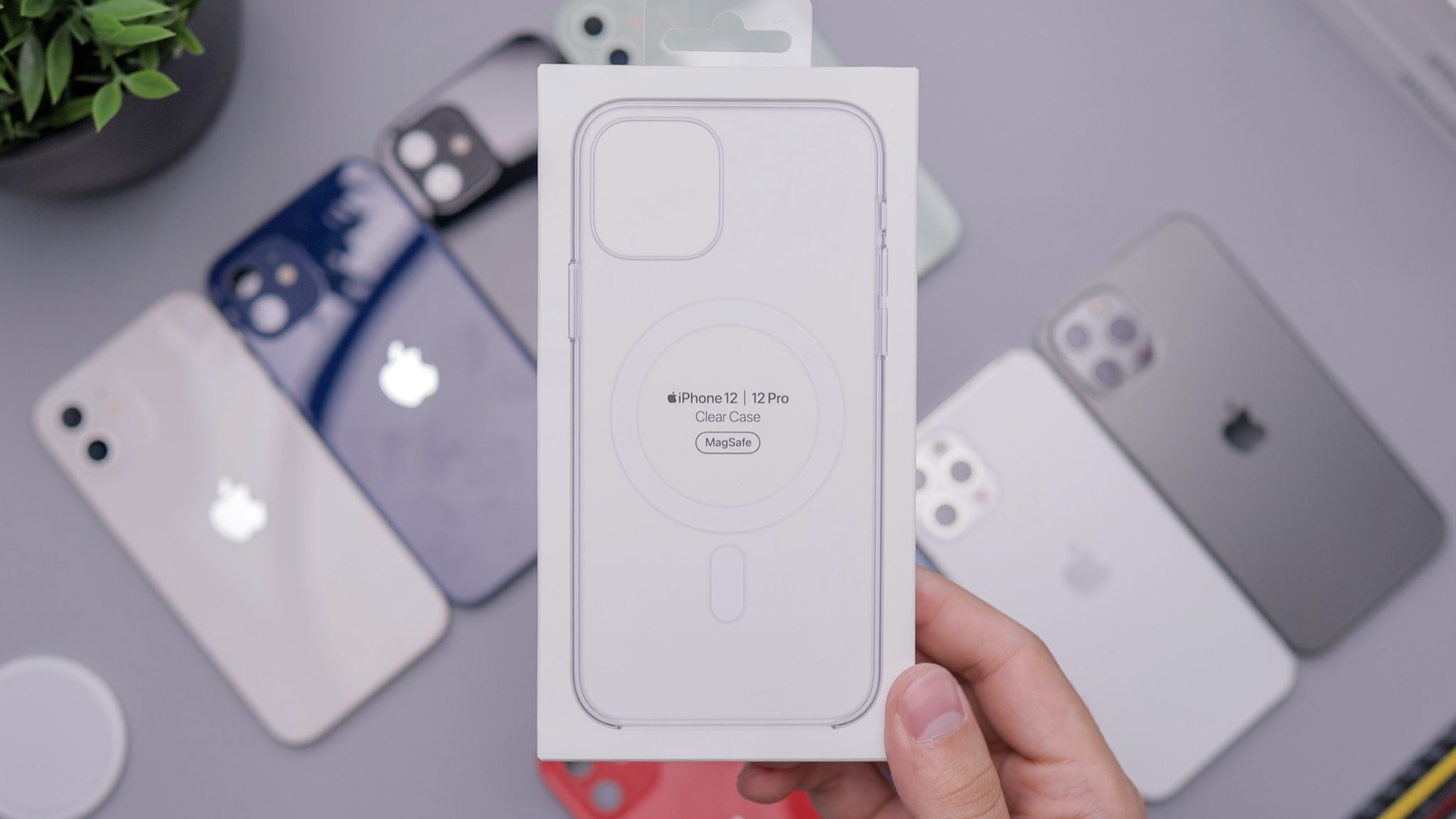
Both phones support wireless charging, but the iPhone 12 introduced MagSafe, a magnet-based alignment system that enables faster wireless charging at up to 15W (compared to 7.5W on the 8 Plus). The iPhone 12 ships without a wall adapter in the box, but any USB-C to Lightning cable and 20W adapter will fast-charge it. Check out the best MagSafe accessories for your iPhone if you want to make the most of this feature.
Software support
This is the single most important difference for anyone buying a refurbished phone in 2026. The iPhone 8 Plus is stuck on iOS 16. It stopped receiving updates after iOS 16.7.x. Apple officially declared the iPhone 8 Plus obsolete in March 2026, which means Apple Stores and authorized service providers will no longer repair it.
The iPhone 12 runs iOS 26 and continues to receive both feature updates and security patches. Apple confirmed at WWDC in June 2026 that the iPhone 12 will also receive iOS 27 when it arrives in fall 2026, since iOS 27 supports the same devices as iOS 26 (iPhone 11 and later). While it does not support Apple Intelligence (that requires an iPhone 15 Pro or newer), it handles the core iOS 26 experience without issue, including Focus modes and the latest privacy protections.
Running outdated software means missing security patches, losing app compatibility over time, and having no access to newer features. For most buyers, this difference alone tips the scales heavily in the iPhone 12's favor.
Who should buy which?
Buy the iPhone 8 Plus if: You have a very tight budget, need only basic functionality (calls, messaging, light browsing), and you fully understand that it cannot be repaired by Apple and will never get another iOS feature update. It does still receive occasional security-only patches on iOS 16, most recently iOS 16.7.16 on 11 May 2026, but Apple publishes no schedule for them and can stop at any time. This phone is best suited as a temporary or backup device.
Buy the iPhone 12 if: You want a refurbished iPhone that still receives iOS updates, supports 5G, delivers a noticeably better display and camera, and will remain a practical daily driver through 2027 and beyond. At current refurbished prices starting around $134 (as of July 2026), it offers exceptional value.
Frequently asked questions
Takeaway
For most refurbished shoppers in 2026, the iPhone 12 is the clear recommendation. It still receives iOS updates, carries a modern design, and delivers strong performance across camera quality, display, and connectivity. The price gap between these two models has narrowed considerably on the refurbished market, making the iPhone 12 one of the best value picks available today.
The iPhone 8 Plus was a forward-thinking phone in its era, but its time has passed. With no Apple repair support, no compatibility with iOS 17 and beyond, and nothing left but sporadic security patches on iOS 16, it is difficult to recommend for anything other than the most basic, budget-constrained use cases.
If you are considering the iPhone 12 but want to explore how it stacks up against newer models, take a look at our comparisons of the iPhone 12 vs. iPhone 13 and the iPhone 12 vs. iPhone 14. For a compact alternative, see the iPhone 12 mini vs. iPhone 12.
Visit RefurbMe to compare prices across trusted refurbishers. Every device ships in perfect working condition with a warranty and hassle-free return policy. You can also browse all refurbished iPhone deals or check out the best places to buy refurbished iPhones for more guidance.
Last updated: Jul 11, 2026 · First published: Oct 24, 2023