
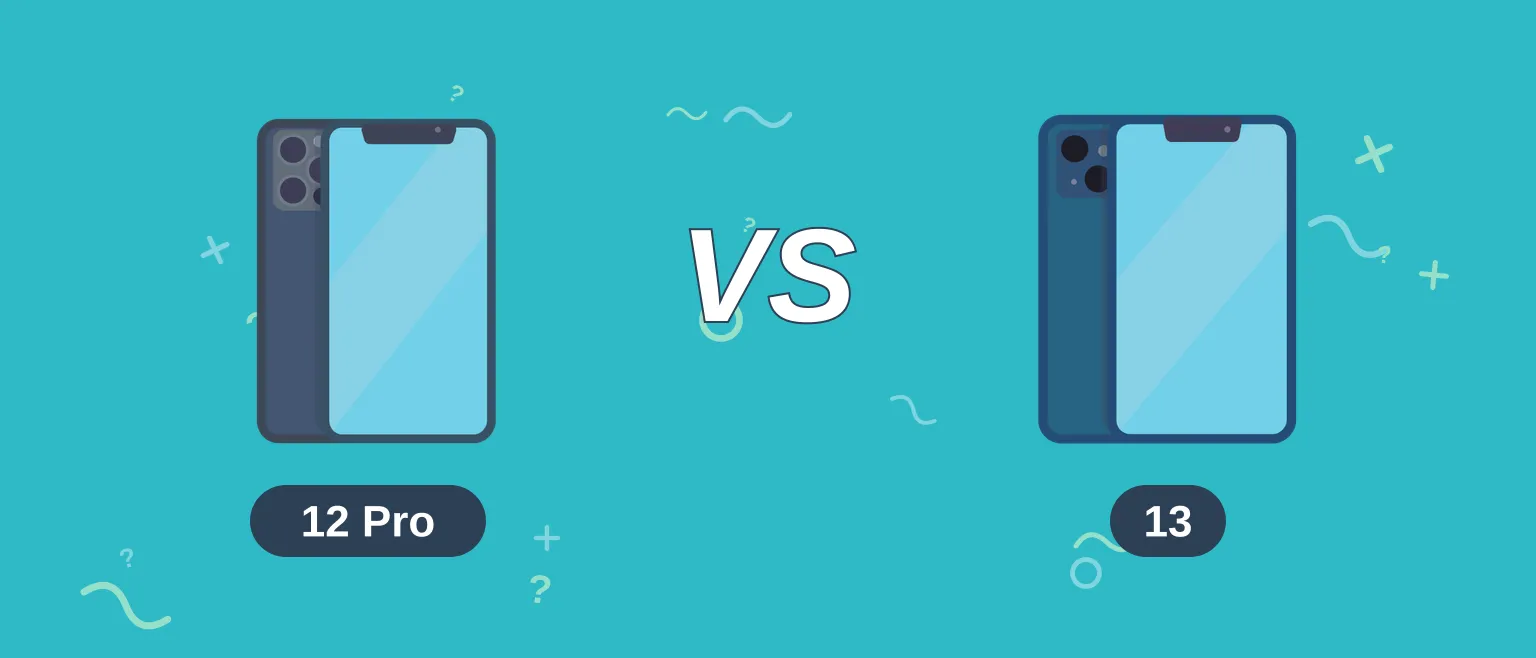
The iPhone 13 is the better refurbished buy for most people in 2026. It pairs a faster A15 Bionic chip with longer battery life on Apple's own ratings (up to 19 hours of video playback against 17 on the iPhone 12 Pro), sensor-shift stabilization, and Smart HDR 4 processing. Choose the iPhone 12 Pro only if you specifically want its telephoto lens, LiDAR Scanner, and stainless steel build.
The iPhone 12 Pro and iPhone 13 are two of the most popular choices on the refurbished iPhone market, both available at steep discounts compared to their original retail prices. But what exactly sets them apart? This article examines the key differences between these two smartphones, covering design, display, cameras, performance, and battery life. Whether you're upgrading from an older model or hunting for the best value in the US, Canada, or the UK, this comparison will help you decide which model is right for you.
Table of contents
- Quick answer: iPhone 12 Pro or iPhone 13 in 2026?
- iPhone 12 Pro vs. iPhone 13: Specs comparison table
- Reasons to choose the iPhone 12 Pro
- Reasons to choose the iPhone 13
- iPhone 12 Pro vs. iPhone 13: Which one should you choose?
- Which is the better buy in 2026?
- FAQ: iPhone 12 Pro vs. iPhone 13
- Conclusion
Quick answer: iPhone 12 Pro or iPhone 13 in 2026?
Buy the refurbished iPhone 13 if you want the better everyday phone. It has the newer A15 Bionic chip, Apple's longer battery-life ratings, sensor-shift optical image stabilization on the main camera, and Smart HDR 4 processing behind it. Buy the refurbished iPhone 12 Pro if you actually use a telephoto lens, shoot Night mode portraits, run AR apps that lean on the LiDAR Scanner, or want the stainless steel body.
Software longevity is no longer the tiebreaker it once was. Both phones run iOS 27, the current release since 14 September 2026. The price gap is the real decision, and it moves week to week: a refurbished iPhone 12 Pro starts at and a refurbished iPhone 13 at across the refurbishers RefurbMe tracks.
According to RefurbMe's own tracking, a new iPhone reaches the refurbished market a median of 82 days after Apple's release date, and the median discount across every iPhone model RefurbMe has ever tracked is 80% off the original list price (as of October 2026, source: our iPhone refurbished price stats). That discount is a median across the full model history, including phones Apple discontinued years ago, so it is not what you save on a current flagship. It does explain why a 2020 Pro phone and a 2021 standard phone now sit close enough together that features, not tiers, decide it.
Those listings come from Back Market, Gazelle, Amazon Renewed, and eBay Refurbished, with the lineup depending on your market: Back Market covers the US and the UK, and Gazelle is US only. The Apple Store sells its own certified refurbished stock as well, though it rarely carries phones this old. You can also compare every refurbished iPhone model side by side, or see how the iPhone 13 stacks up against the cheaper iPhone 11.
iPhone 12 Pro vs. iPhone 13: Specs comparison table
| Feature | iPhone 12 Pro | iPhone 13 |
|---|---|---|
| Design | Stainless steel frame, textured matte glass back, flat edges | Aluminum frame, glass back, smaller notch, flat edges |
| Display | 6.1-inch Super Retina XDR OLED 2532 x 1170 at 460 ppi 2,000,000:1 contrast ratio (typical) 800 nits max brightness (typical) 1200 nits max brightness (HDR) | 6.1-inch Super Retina XDR OLED 2532 x 1170 at 460 ppi 2,000,000:1 contrast ratio (typical) 800 nits max brightness (typical) 1200 nits peak brightness (HDR) |
| Processor | A14 Bionic chip Next-generation Neural Engine | A15 Bionic chip 6-core CPU, 4-core GPU 16-core Neural Engine |
| RAM | 6 GB | 4 GB |
| Storage options | 128 GB, 256 GB, 512 GB | 128 GB, 256 GB, 512 GB |
| Rear cameras | Triple 12 MP Wide: f/1.6 Ultra Wide: f/2.4 Telephoto: f/2.0 LiDAR Scanner Dual OIS (Wide and Telephoto) Smart HDR 3, Apple ProRAW | Dual 12 MP Main: f/1.6 Ultra Wide: f/2.4 Sensor-shift OIS (Main) Smart HDR 4, Photographic Styles |
| Front camera | 12 MP TrueDepth, f/2.2 Night mode, Deep Fusion Smart HDR 3 | 12 MP TrueDepth, f/2.2 Night mode, Deep Fusion Smart HDR 4 Cinematic mode, Photographic Styles |
| Battery life (Apple ratings) | Up to 17 hours video playback Up to 11 hours streamed video Up to 65 hours audio playback | Up to 19 hours video playback Up to 15 hours streamed video Up to 75 hours audio playback |
| Charging | Fast-charge to 50% in around 30 minutes with a 20W adapter or higher MagSafe up to 15W Qi up to 7.5W | Fast-charge to 50% in 30 minutes with a 20W adapter or higher MagSafe up to 15W Qi2 up to 15W Qi up to 7.5W |
| Water and dust resistance | IP68 (maximum depth of 6 meters up to 30 minutes) | IP68 (maximum depth of 6 meters up to 30 minutes) |
| Max OS compatibility | iOS 27 | iOS 27 |
| Biometrics | Face ID | Face ID |
| Dimensions | 5.78 x 2.82 x 0.29 in 146.7 x 71.5 x 7.4 mm | 5.78 x 2.82 x 0.30 in 146.7 x 71.5 x 7.65 mm |
| Weight | 6.66 oz 189 g | 6.14 oz 174 g |
| Colors | Graphite, Silver, Gold, Pacific Blue | Midnight, Starlight, Blue, Pink, Green, (PRODUCT)RED |
| Notch size | Standard size | 20% smaller |
| 5G connectivity | Yes | Yes |
| Price (refurbished) | Starts at | Starts at |
Reasons to choose the iPhone 12 Pro

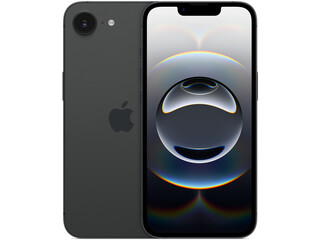
128GB storage
Silver

128GB storage
Graphite

128GB storage
Pacific Blue
- Premium stainless steel frame.
- Versatile triple-camera system with a telephoto lens.
- LiDAR Scanner for enhanced AR and Night mode portraits.
- Dual optical image stabilization across the Wide and Telephoto lenses.
- Apple ProRAW capture for editing latitude.
- 6 GB of RAM for better multitasking.
Reasons to choose the iPhone 13

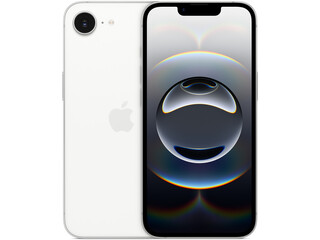
128GB storage
Midnight
128GB storage
Midnight
128GB storage
Midnight
- Smaller and lighter design, 174 g against 189 g.
- Longer battery life on Apple's ratings: up to 19 hours of video playback against 17.
- More efficient A15 Bionic chip with a 16-core Neural Engine.
- Better low-light photography thanks to sensor-shift OIS and Smart HDR 4.
- Cinematic mode for video, on both the rear and front cameras.
- Qi2 wireless charging at up to 15W, which the iPhone 12 Pro does not support.
iPhone 12 Pro vs. iPhone 13: Which one should you choose?
When deciding between the iPhone 12 Pro and iPhone 13, it's essential to consider how their differences align with your priorities, whether it's superior camera capabilities, battery life, or overall performance. Here's a detailed comparison to help you make an informed choice.
Design
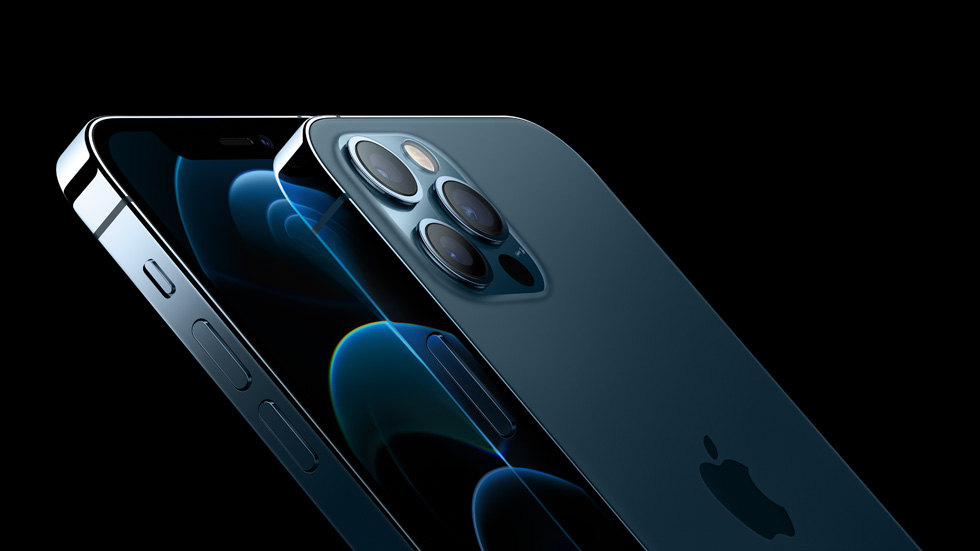
The iPhone 12 Pro features a more premium construction with a stainless steel frame, giving it a more substantial and durable feel. This model also has a glass back and flat edges, which were reintroduced with the iPhone 12 series, reminiscent of the iPhone 5's design. The stainless steel adds weight, and with it a frame that resists drops and impacts better than aluminum does.
In contrast, the iPhone 13 opts for an aluminum frame, making it lighter and slightly less prone to showing fingerprints and smudges compared to the stainless steel of the iPhone 12 Pro. The iPhone 13 also retains the flat-edge design and glass back but introduces a smaller notch on the front display, providing slightly more screen real estate and a more modern look.
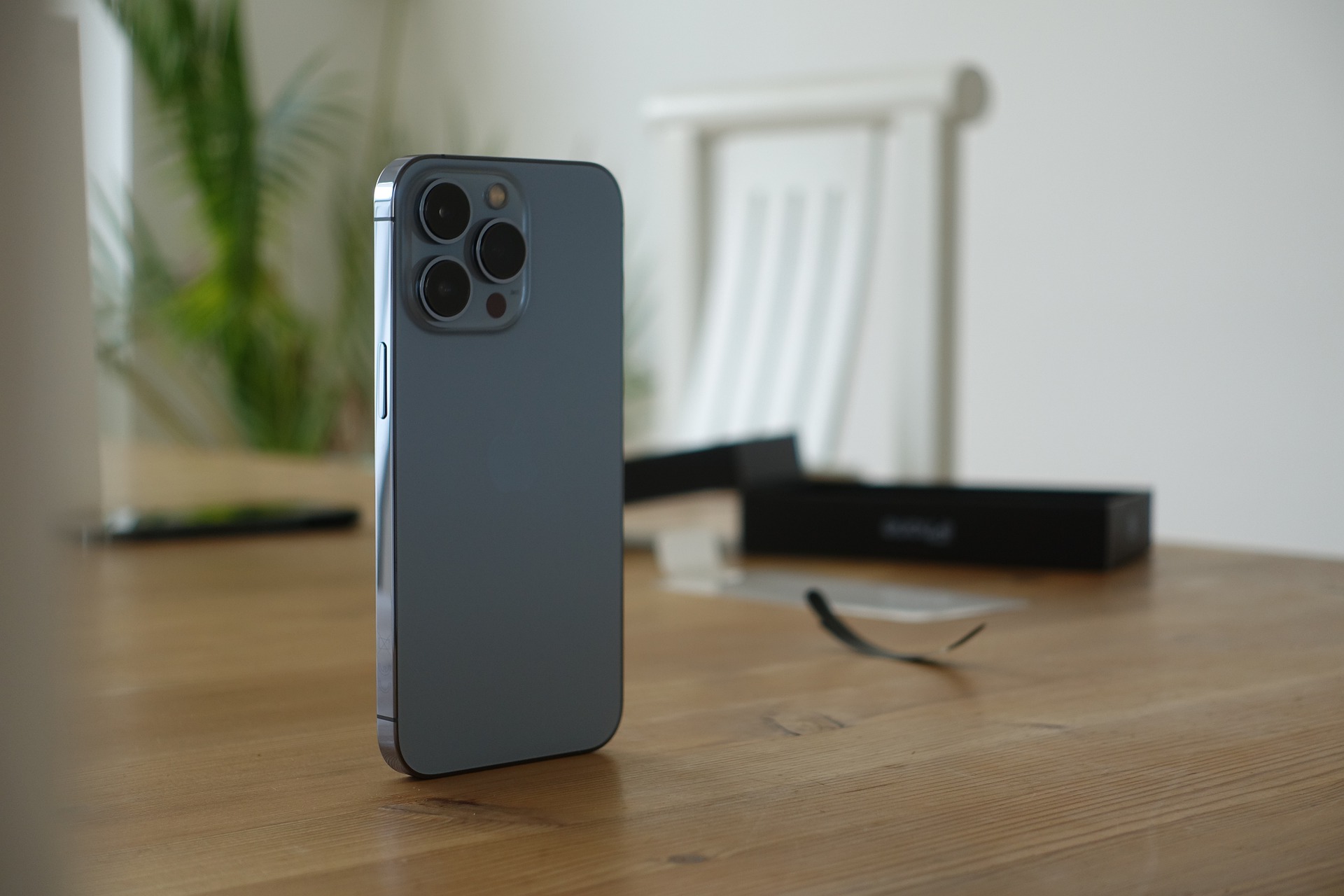
iPhone 13
Both models come with IP68 water and dust resistance, and Apple rates both to a maximum depth of 6 meters for up to 30 minutes. They also feature a Ceramic Shield front cover, which offers improved protection against scratches and drops.
Additionally, the iPhone 13 comes in a new range of colors, including a vibrant pink and a muted green, while the iPhone 12 Pro's four color options are more subdued.
⭐ Key takeaway: If you prioritize a premium feel and are drawn to a sturdier, heavier device, the iPhone 12 Pro might be the better choice. However, if you prefer a slightly lighter phone with a more streamlined display, the iPhone 13's design may appeal more to you.
Display
The iPhone 12 Pro and iPhone 13 both feature a 6.1-inch Super Retina XDR OLED display, offering vibrant colors, deep blacks, and sharp details. This display technology is among the best in the industry, delivering a high dynamic range (HDR) experience that makes content look incredibly vivid and realistic, perfect for multimedia and gaming.
Both models offer 2532 x 1170 pixels in resolution, resulting in a pixel density of 460 pixels per inch (PPI). This means you'll get the same sharpness and clarity on both devices, with no visible difference in pixel quality.
Brightness is a wash, whatever the comparison charts say. Apple's tech specs rate both phones at 800 nits max brightness in typical use and 1200 nits for HDR content, and both are listed at the same 2,000,000:1 typical contrast ratio. The 625-nit figure that circulates for the iPhone 12 Pro belongs to the LCD iPhone 11, not to this OLED panel.
The one real difference is the notch. The iPhone 13 features a 20% smaller notch, which provides slightly more screen real estate and a more immersive viewing experience. Although this change doesn't dramatically alter the display's functionality, it does contribute to a more modern aesthetic.
Both displays support True Tone, Wide color (P3), and HDR, ensuring colors are accurate and contrast is deep. They also include Haptic Touch for responsive interactions and Dolby Vision for enhanced video playback.
⭐ Key takeaway: The panels are the same on every number Apple publishes. The iPhone 13's only display advantage is the smaller notch, so if screen quality is your deciding factor, this comparison is a tie.
Performance
When it comes to performance, the iPhone 12 Pro and iPhone 13 both deliver powerful experiences, but there are key differences driven by their respective chipsets and RAM configurations.
The iPhone 12 Pro is equipped with the A14 Bionic chip, which was Apple's top-of-the-line processor at the time of its release. This 5-nanometer chip includes a 6-core CPU, a 4-core GPU, and a 16-core Neural Engine, enabling smooth multitasking, efficient handling of demanding apps, and high-quality graphics performance.
The iPhone 12 Pro also comes with 6 GB of RAM, which supports its ability to keep multiple apps open and running seamlessly in the background.
iPhone 13
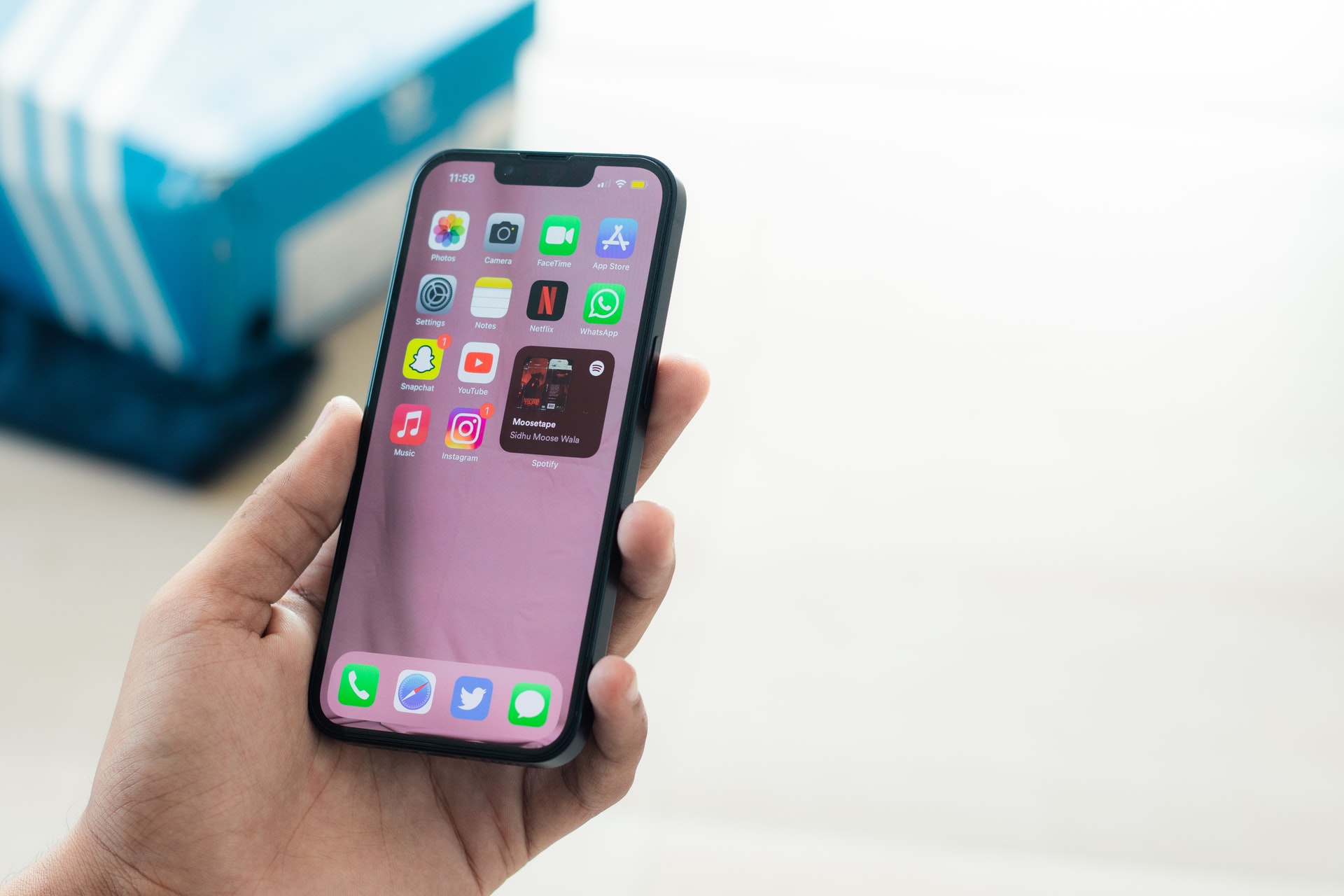
On the other hand, the iPhone 13 features the newer A15 Bionic chip, which is an evolution of the A14. This chip is also built on a 5-nanometer process but includes several enhancements.
The A15 Bionic offers up to 50% faster CPU performance and 30% faster GPU performance compared to its predecessor, according to Apple's claims. It features a 6-core CPU, a 4-core GPU (with a 5-core GPU available on the Pro models), and an improved 16-core Neural Engine.
Although the iPhone 13 has 4 GB of RAM, less than the iPhone 12 Pro, the improved efficiency and processing power of the A15 chip often compensate for this difference in everyday use.
In real-world scenarios, both devices handle tasks like gaming, video editing, and augmented reality (AR) applications with ease. However, the iPhone 13's A15 chip provides an extra boost, particularly noticeable in more resource-intensive tasks and future-proofing the device for longer software support and updates.
⭐ Key takeaway: While the iPhone 12 Pro still offers robust performance, the iPhone 13 takes the lead with its newer, more efficient A15 Bionic chip, making it a better option for users who prioritize raw processing power and long-term performance
Cameras
The camera systems on the iPhone 12 Pro and iPhone 13 are both highly capable, but they cater to slightly different needs. The iPhone 12 Pro offers more versatility, while the iPhone 13 focuses on enhanced low-light performance and video features.
Rear camera system
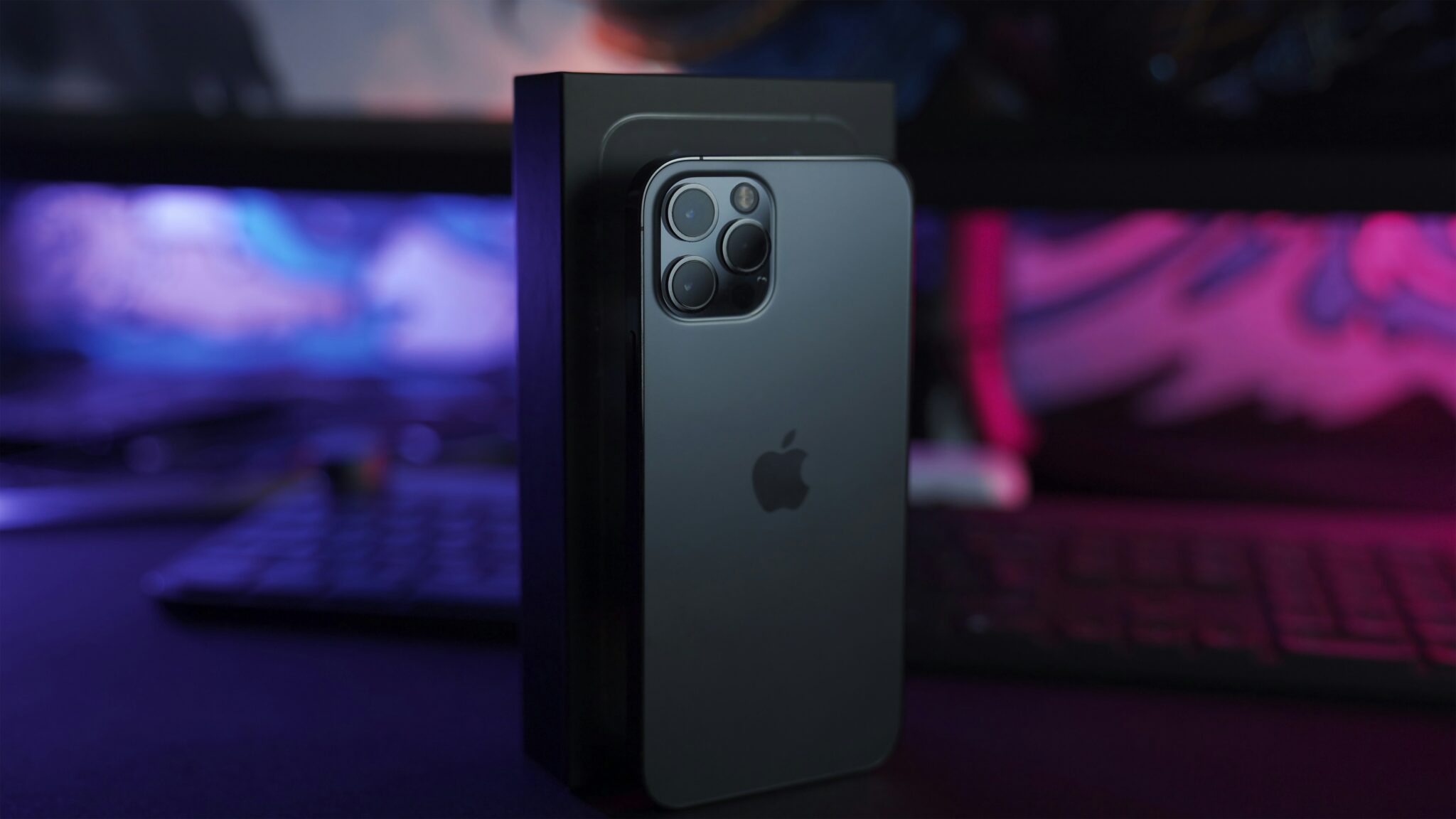
- iPhone 12 Pro: The iPhone 12 Pro features a versatile triple-camera system with 12 MP Wide (f/1.6), Ultra Wide (f/2.4), and Telephoto (f/2.0) lenses, plus a LiDAR Scanner that enables Night mode portraits and faster low-light autofocus. The telephoto lens gives it 2x optical zoom in and a 4x optical zoom range, ideal for portrait photography and detailed close-ups, and Apple ProRAW capture for editing latitude.
- iPhone 13: The iPhone 13 comes with a dual-camera setup, including 12 MP Main (f/1.6) and Ultra Wide (f/2.4) lenses. While it lacks the telephoto lens and LiDAR Scanner, it introduces sensor-shift optical image stabilization (OIS) on the main lens for improved stability in low light and video, and it steps up to Smart HDR 4 processing with Photographic Styles.
iPhone 12 Pro
Front camera
Both models use the same 12 MP TrueDepth camera at f/2.2, with Night mode and Deep Fusion on each. The processing behind it differs: the iPhone 12 Pro runs Smart HDR 3, while the iPhone 13 runs Smart HDR 4 and adds Photographic Styles and Cinematic mode to the front camera as well.
Low-light performance
Apple does not publish a sensor size or a pixel pitch for either phone, so treat the micron figures quoted elsewhere as teardown estimates. What Apple does publish is the part that matters: both main lenses open to the same f/1.6, but only the iPhone 13 pairs that lens with sensor-shift optical image stabilization and Smart HDR 4.
Those two together are why the iPhone 13 holds detail after sunset that the iPhone 12 Pro smears. The iPhone 12 Pro answers with hardware the iPhone 13 does not have: Night mode portraits enabled by the LiDAR Scanner, and dual optical image stabilization spanning the Wide and Telephoto lenses.
Video recording
Both phones record 4K at 24, 25, 30, or 60 fps, and both record HDR video with Dolby Vision: Apple lists the iPhone 12 Pro for Dolby Vision up to 60 fps and the iPhone 13 for Dolby Vision up to 4K at 60 fps. The iPhone 12 Pro also offers extended dynamic range for video up to 60 fps.
The separator is Cinematic mode, which only the iPhone 13 has. It shoots at 1080p and 30 fps and racks focus between subjects automatically, which is particularly useful for content creators and videographers looking for enhanced storytelling tools.
⭐ Key takeaway: The iPhone 12 Pro's camera system offers more versatility with its additional telephoto lens and LiDAR Scanner, making it a better choice for those who need optical zoom and AR capabilities. On the other hand, the iPhone 13 focuses on delivering improved low-light performance and advanced video features, making it ideal for users who prioritize photography and videography
Battery life and charging
Apple rates the iPhone 13 for up to 19 hours of video playback, against up to 17 hours on the iPhone 12 Pro. Streamed video, which is much closer to how most people actually watch, widens the gap: up to 15 hours on the iPhone 13 against up to 11 on the iPhone 12 Pro. Audio playback runs to 75 hours and 65 hours respectively.
Those hours are the only battery numbers Apple stands behind. Apple publishes battery life for these phones and has never published a capacity in mAh for either one, so treat any milliamp-hour figure you see quoted for an iPhone 12 Pro or iPhone 13 as an unattributed teardown estimate. The cell in the iPhone 13 is larger, and the more energy-efficient A15 Bionic chip compounds the advantage, but the published hours are what you can actually rely on.
On a used phone, a different number matters more: battery health, in Settings under Battery. Apple designs iPhone 14 and earlier batteries to retain 80% of their original capacity at 500 complete charge cycles, so a 2020 iPhone 12 Pro that was never serviced is likely well past that mark. Check whether the refurbisher already replaced the cell, and budget for a replacement through an Apple Authorized Service Provider if it did not.
Wired charging is identical on paper. Both are fast-charge capable, reaching up to 50% in about 30 minutes with a 20W adapter or higher, sold separately in both cases.
Wireless is where they separate slightly. Both support MagSafe at up to 15W and plain Qi at up to 7.5W, but Apple now also lists the iPhone 13 for Qi2 charging at up to 15W, which the iPhone 12 Pro never gained. If you charge on a Qi2 pad rather than a MagSafe puck, that is a small but real advantage.
⭐ Key takeaway: The iPhone 13 wins battery on Apple's own ratings, by two hours of video playback and four hours of streamed video. On a refurbished unit, though, the battery-health percentage of the specific phone you buy matters more than which model it is.
👉 Learn more: 9 Best MagSafe Accessories for Your iPhone in 2026
Which is the better buy in 2026?
By mid-2026, both the iPhone 12 Pro and iPhone 13 sit firmly in the budget-friendly tier of the refurbished iPhone market, and that is precisely what makes this comparison so relevant for value-minded shoppers in the US, Canada, and the UK.
The iPhone 13 is the stronger all-around choice for most buyers. Its A15 Bionic chip, longer published battery life, and Smart HDR 4 processing make it a more capable device for everyday use, and its longer software runway gives it more staying power. Refurbished iPhone 13 units are widely available across certified sellers at competitive prices, often undercutting the iPhone 13 Pro significantly.
The iPhone 12 Pro still earns its place for buyers who specifically want optical zoom and LiDAR, features absent from the standard iPhone 13. If you shoot a lot of portraits or use AR apps, the triple-camera system remains a tangible advantage. Its stainless steel frame also gives it a premium feel that the iPhone 13's aluminum body cannot fully replicate.
In either case, buying refurbished is one of the smartest ways to own Apple hardware. Certified refurbished iPhones undergo thorough inspection and typically come with a warranty, meaning you get flagship-tier performance at a fraction of the original cost. Use RefurbMe to compare live prices across Back Market, Gazelle, Amazon Renewed, and eBay Refurbished side by side, plus the Apple Store's own certified refurbished stock on the models it still carries.
If you're curious how these models stack up against newer hardware, see our iPhone 13 Pro vs. iPhone 14 Pro comparison.
FAQ: iPhone 12 Pro vs. iPhone 13
Conclusion
If you're looking for premium build quality and a versatile camera system, the iPhone 12 Pro remains an excellent choice, particularly for users who value optical zoom and AR capabilities. On the other hand, if battery life, a smaller notch, and improved low-light photography are your priorities, the iPhone 13 is the stronger overall package.
To save money while getting top-notch performance, consider purchasing a refurbished model through RefurbMe. RefurbMe lets you compare prices across multiple sites from reputable sellers, ensuring you get the best deal with factory-reset performance and a warranty included.
Browse all available refurbished iPhones in real time here. 👇

64GB storage
Black
64GB storage
Black
Happy shopping! 🛍️
🆚 Explore more reviews:
Last updated: Sep 15, 2026 · First published: Aug 9, 2024
refurbished Apple devices