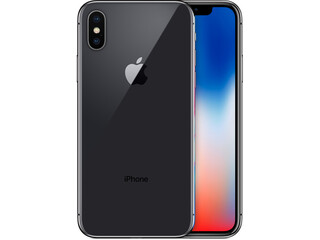


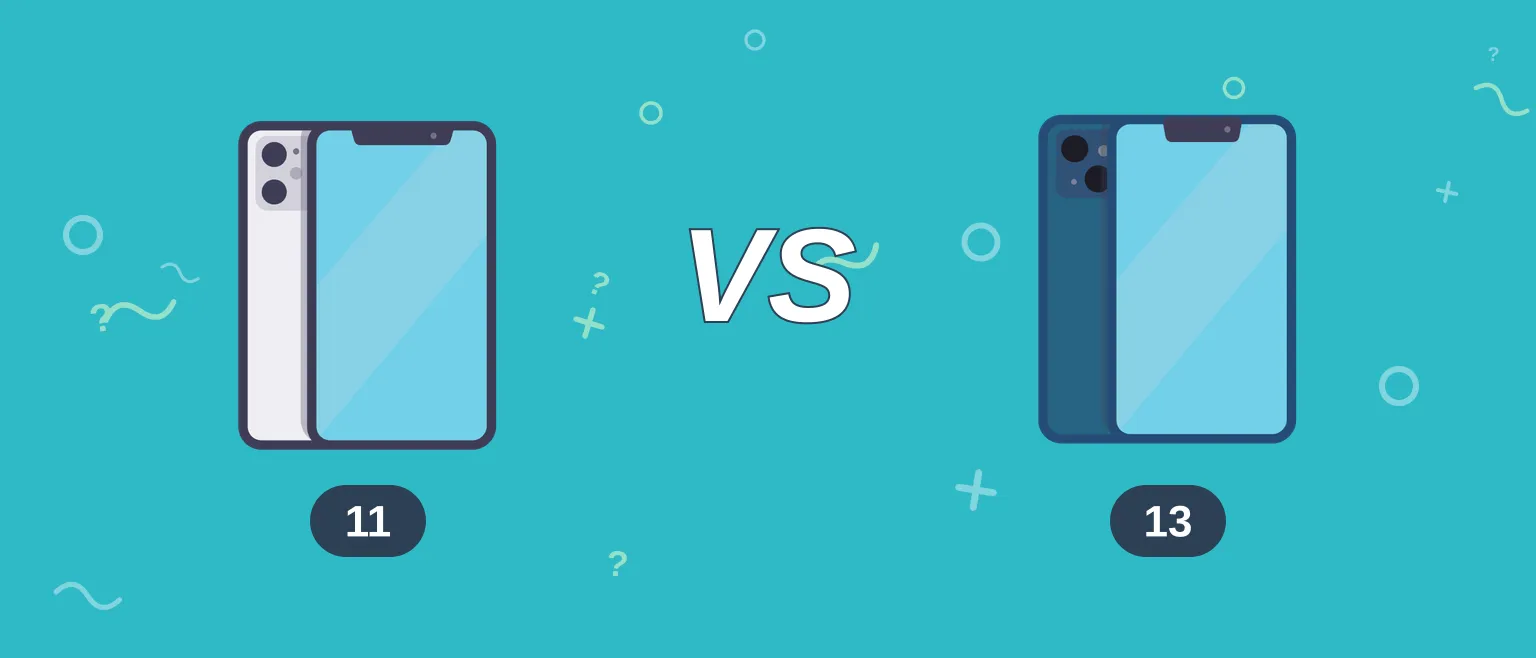
Short version: the iPhone 13 is the better phone and the iPhone 11 is the better bargain. The iPhone 13 adds an OLED display, the A15 Bionic chip, 5G, sensor-shift stabilization, and double the base storage. The iPhone 11 gives up all of that, costs less, and still runs current software. Both are among the most-compared phones on the refurbished market in 2026, and neither is sold new by Apple anymore, so the real question is not which is newer but which is worth the price gap between them today. Below we compare design, size, display, CPU, RAM, storage, camera, battery life, and connectivity, then say plainly which one to buy.
Table of contents
- Quick answer: iPhone 11 or iPhone 13 in 2026?
- iPhone 11 vs. iPhone 13: Specs comparison table
- iPhone 11 vs. iPhone 13: All the differences
- Should you upgrade from the iPhone 11 to the iPhone 13?
- FAQ: iPhone 11 vs. iPhone 13
- Verdict
Quick answer: iPhone 11 or iPhone 13 in 2026?
Buy the refurbished iPhone 13 if you want the phone to last: it has the OLED screen, 5G, a 16-core Neural Engine, and a longer runway of iOS updates ahead of it. Buy the refurbished iPhone 11 if the budget is the constraint and you mainly call, message, browse, and shoot daylight photos, because the A13 Bionic still handles all of that without complaint.
The price gap is the whole decision, and it moves every week, so compare it live rather than trusting a number in an article. Right now a refurbished iPhone 11 starts at and a refurbished iPhone 13 starts at across the refurbishers RefurbMe tracks.
According to RefurbMe's own tracking, a new iPhone reaches the refurbished market a median of 82 days after Apple's release date, and the median discount across every iPhone model RefurbMe has ever tracked is 84% off the original list price (as of July 2026, source: our iPhone refurbished price stats). That discount figure is a median across the full model history, including phones Apple stopped selling years ago, so it is not what you save on a current flagship. It is exactly why a 2019 phone like the iPhone 11 now sits at the bottom of the market.
Those listings come from Back Market, Gazelle, Amazon Renewed, the Apple Store, and eBay Refurbished, with the lineup depending on your market: Back Market covers the US and the UK, and Gazelle is US only. You can also compare every refurbished iPhone model side by side.
iPhone 11 vs. iPhone 13: The key differences
- The iPhone 13 has a smaller notch and offers different color options.
- The design of the iPhone 13 is flat-edged with smaller borders.
- The iPhone 11 is larger and heavier.
- The iPhone 11 has an IPS LCD screen, while iPhone 13 has an OLED screen with flat edges and a smaller notch.
- The iPhone 13 has an upgraded A15 Bionic processor with a 16-core Neural Engine, against 8 cores on the A13 Bionic.
- 64GB vs. 128GB base storage.
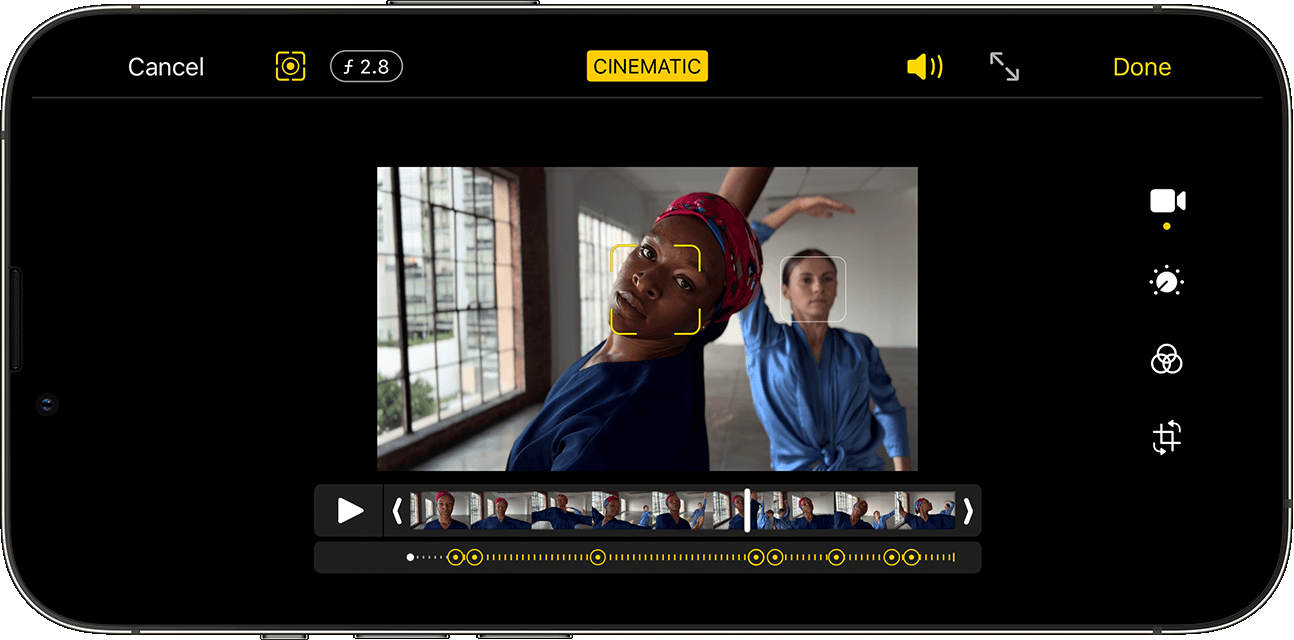
- The iPhone 13 has sensor-shift optical image stabilization, Photographic Styles, and Cinematic mode for videos.
- Improved battery life in the iPhone 13.
- The iPhone 13 supports MagSafe for fast wireless charging, in addition to Qi wireless charging.
- Only the iPhone 13 includes 5G connectivity, an HDR display, and Dolby Vision HDR video recording.
- Both are rated IP68, but the iPhone 13 is rated to 6 meters for 30 minutes against 2 meters for the iPhone 11.
iPhone 11 vs. iPhone 13: Specs comparison table
iPhone 11 vs. iPhone 13: All the differences
Let’s dive into all the differences between the iPhone 11 and the iPhone 13.
Design and colors
Both phones are made from aluminum and offer IP68 water and dust resistance. However, the iPhone 13 features a tougher Ceramic Shield display cover compared to the iPhone 11. Also, the notch of the most recent release is 20% smaller, which delivers a bit more screen real estate.
The iPhone 11 is available in black, green, yellow, purple, red, and white colors, while the iPhone 13 is available in starlight, midnight, blue, pink, red, and green.
Size and weight
The iPhone 11 is larger and heavier than the iPhone 13, measuring 5.94 x 2.98 x 0.33 inches with a weight of 6.84 ounces, while the iPhone 13 measures 5.78 x 2.82 x 0.30 inches with a weight of 6.14 ounces. The former is 8.3mm thick, while the latter is 7.65 mm.
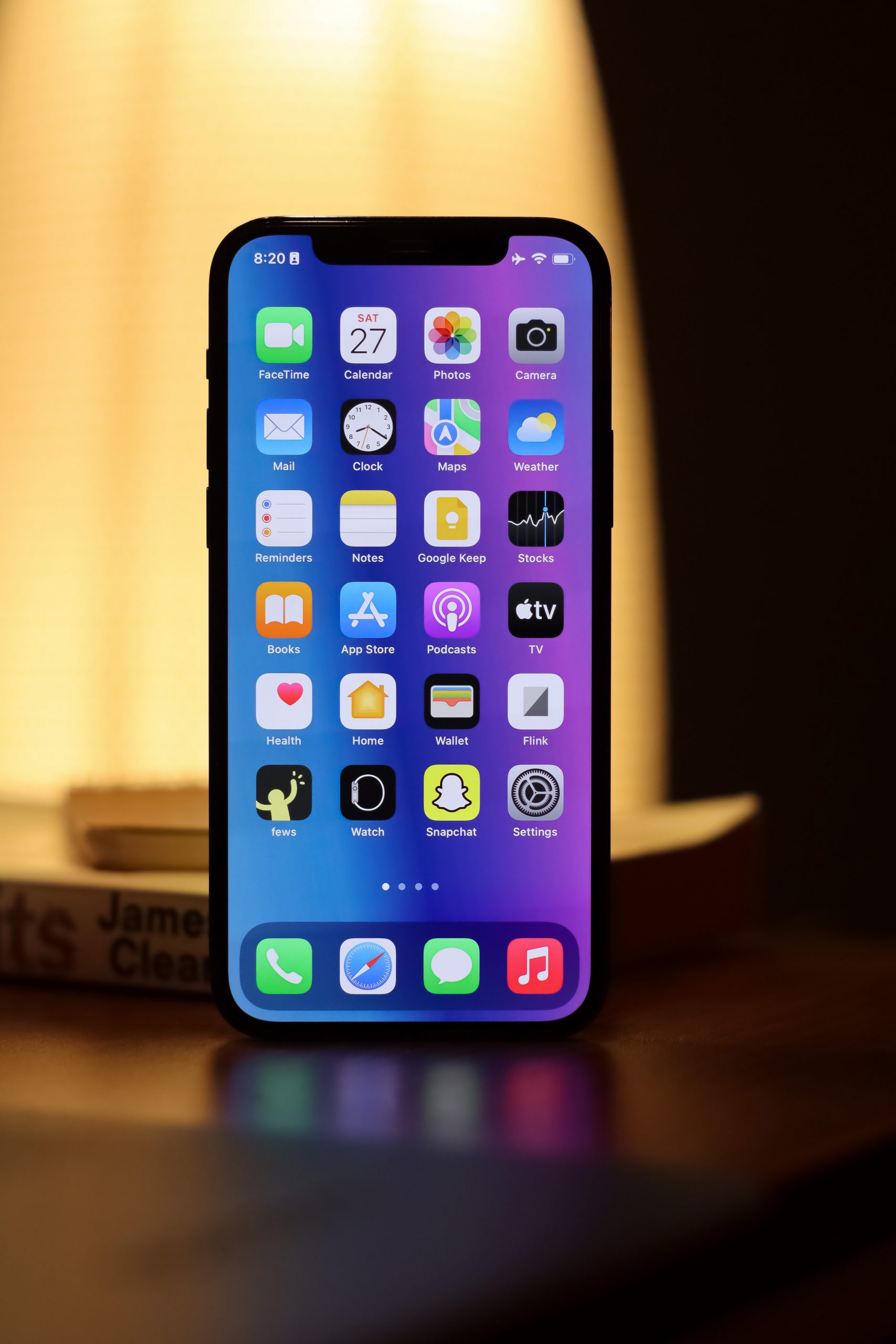
iPhone 13
Display
Although both models feature an all-screen design, the iPhone 11 has an IPS LCD screen, while the iPhone 13 has an OLED screen, flat edges, and a smaller notch. Those are the most visible differences in the display. OLED offers deeper blacks and crisper colors, and Apple's own numbers show how far apart the two panels are: it rates the iPhone 11 at a 1400:1 contrast ratio and 625 nits, and the iPhone 13 at 2,000,000:1 and 800 nits typical, rising to 1200 nits peak for HDR content.
The iPhone 13 is also an HDR display and the iPhone 11 is not, so HDR photos, Dolby Vision video, and most streaming content look noticeably flatter on the older phone. Both iPhones share the same 6.1-inch display size, so this is a quality difference rather than a size one.
Processor
Apple describes both chips the same way at the top level: a 6-core CPU with 2 performance cores and 4 efficiency cores, plus a 4-core GPU. The difference between them is generational rather than structural. The A13 Bionic in the iPhone 11 is still a capable chip that runs almost everything you throw at it, including 4K video editing, processing large files, and editing complex images with real-time changes.
Worth reading: Best Widgets for iPhone
The A15 Bionic in the iPhone 13 is faster across the board, and it also doubles the part of the chip that matters most for how phones are used now: the Neural Engine goes from 8 cores on the A13 to 16 cores on the A15. That block runs on-device photo processing, dictation, Live Text, and the machine-learning features Apple keeps adding with each iOS release, so the gap between these two phones widens over time rather than narrowing. The A15 is also more power efficient, which shows up in the battery figures below.
RAM
The iPhone 11 is still greatly capable of multitasking with 4GB of RAM. While the iPhone 13 Pro and Pro Max offer 6 GB, the standard model of the iPhone 13 has the same 4GB. In combination with the new A15 CPU, the latest model has exceptional performance for anything you want to do with your phone.
Storage
The iPhone 11 has 64GB, 128GB, or 256GB of internal storage available to users. The iPhone 13 offers 128GB, 256GB, or 512GB. Apple doesn’t include external memory slots on the iPhones anymore, as seen in these models.
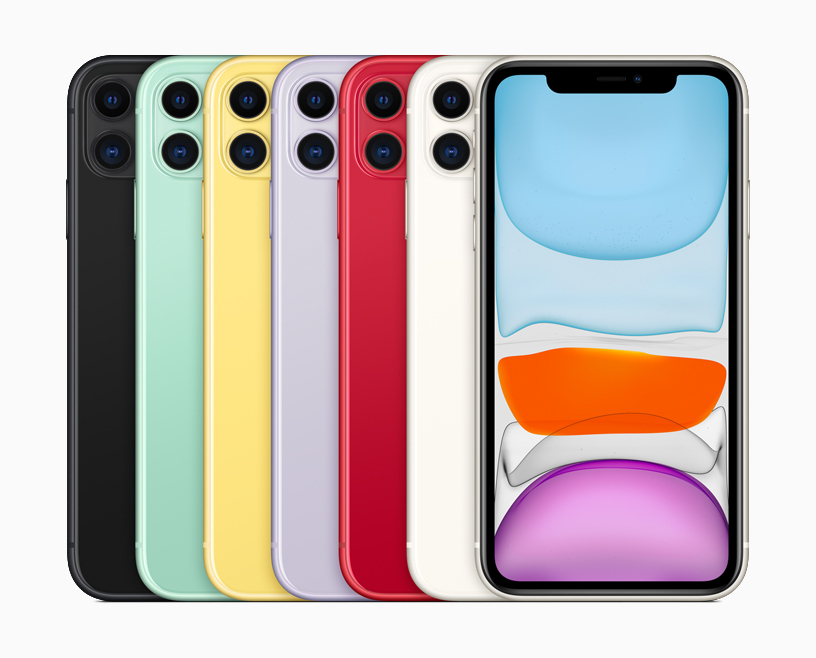
iPhone 11
Image credit: Apple
Battery life
The iPhone 13 shows a significant improvement in battery life over the iPhone 11. While the iPhone 11 offers up to 17 hours of video playback, the iPhone 13 offers 19 hours. When comparing audio playback, the older model has up to 65 hours, while the newer one enjoys up to 75 hours.
The figure worth paying attention to is streamed video, the way most people actually watch: Apple rates the iPhone 11 at up to 10 hours and the iPhone 13 at up to 15 hours, a 50% jump. On a long flight or a full day out, that is the difference between arriving with charge and arriving without.
Apple does not publish a capacity in mAh for either phone, so treat any number quoted elsewhere as a teardown estimate. On a used phone the more useful number is battery health, in Settings under Battery. If it has degraded significantly, budget for a replacement through an Apple Authorized Service Provider or Apple's own repair service, and check whether the refurbisher already replaced the cell.
Charging
Wired charging is a wash. Apple lists both phones as fast-charge capable, reaching up to 50% charge in 30 minutes with a 20W adapter or higher, sold separately in both cases.
Wireless is where they separate. The iPhone 11 charges on any Qi pad. The iPhone 13 adds the MagSafe magnet array and charges at up to 15W on a MagSafe puck, and Apple now also lists Qi2 charging at up to 15W for it, against 7.5W on a plain Qi pad. If you already own MagSafe accessories, that is a practical reason to prefer the iPhone 13.
Camera features
Both models offer a 12MP rear-facing camera for capturing stunning photos and videos. The Apple A15 Bionic chip of the iPhone 13 provides superior image processing, making it easy to capture crisp images and smooth videos in any environment.
These phones also offer features such as burst mode, HDR video recording, Deep Fusion, and True Tone flash for taking clear images even in low light conditions. On both, the hardware is rarely the limiting factor for everyday photography. However, only the iPhone 13 can enjoy the Photographic Styles feature.
Image quality
Both phones carry the same pair of lenses on paper, a Wide (called Main on the iPhone 13) and an Ultra Wide, both 12MP. The aperture is where they diverge. The iPhone 11 pairs an f/1.8 Wide camera with an f/2.4 Ultra Wide, while the iPhone 13 keeps the same f/2.4 Ultra Wide but opens its main camera up to f/1.6, letting in meaningfully more light on the lens you shoot with most.
Combine that wider aperture with Smart HDR 4 and the A15's image processing and the practical result is straightforward: in daylight the two phones are close enough that a casual user will not pick them apart, and after sunset or in a dim room the iPhone 13 pulls clearly ahead. The front camera of both models is the same on the key numbers, a 12MP TrueDepth sensor at f/2.2 with 4K support, though only the iPhone 13 adds Photographic Styles and Cinematic mode to it.
Image stabilization
Both phones include optical image stabilization, but the technologies differ meaningfully. Apple lists optical image stabilization (Wide) for the iPhone 11 and sensor-shift optical image stabilization (Main) for the iPhone 13, a more advanced system that stabilizes the sensor itself rather than the lens elements. This delivers noticeably steadier handheld shots and smoother video.
Beyond that hardware difference, the iPhone 13 allows for better shooting in low-light conditions overall. The improved stabilization on the iPhone 13 also unlocks Cinematic mode, and it supports HDR Dolby Vision for richer colors and contrast in recordings.
Cinematic Mode
Image: Apple
Video recording
When choosing between the iPhone 11 and the iPhone 13, the video recording quality is an important consideration. The iPhone 13 features a Cinematic mode, which shoots at 1080p and 30 fps and racks focus between subjects automatically, plus Photographic Styles for color tone editing.
Both phones record 4K video at 24, 25, 30, or 60 fps. The difference is dynamic range: the iPhone 11 offers extended dynamic range for video up to 60 fps, while the iPhone 13 records true HDR with Dolby Vision all the way up to 4K at 60 fps, and adds Night mode time-lapse. If you shoot video often, this is the single largest gap between the two.
Connectivity
Both models have Wi-Fi 6 (802.11ax), Bluetooth 5.0, and Lightning connectors, so neither offers USB-C. The cellular radio is the real split: the iPhone 11 tops out at Gigabit-class LTE, while the iPhone 13 adds 5G, covering both sub-6 GHz and mmWave. In markets where carriers have been shifting capacity to 5G, this is one of the most important aspects to weigh in your buying decision.
Should you upgrade from the iPhone 11 to the iPhone 13?
It depends on how you use the phone. The iPhone 13 arrived two years after the iPhone 11, and taken one spec at a time that gap reads as incremental rather than transformative.
For plenty of buyers, a handful of those increments do justify the extra money. The headline addition is 5G, which unlocks the faster network speeds carriers have rolled out across most of the US, UK, and Canada. The camera is genuinely better too, not through a higher megapixel count but through the wider f/1.6 main lens and sensor-shift stabilization, which is what produces better low-light performance.
There is one more factor that did not apply when these phones were new. On Apple's own list of iPhone models compatible with iOS 26, the iPhone 11 is the oldest model still supported, and the oldest supported model is always the first candidate Apple drops when the next major release lands. The iPhone 13 sits two generations further along and should keep receiving major iOS updates for longer. If you plan to keep the phone for three years or more, that support horizon is a stronger argument than any single spec on the table above.
In short, if you are happy with your iPhone 11, there is no urgent need to upgrade to the iPhone 13. But if you want a better camera, 5G, and more years of software support, the iPhone 13 is worth the difference. We share how to find the best prices in the next section.
Related comparisons:
- iPhone X vs. iPhone 13
- iPhone X vs. iPhone 11
- iPhone XR vs. iPhone 11
- iPhone 12 vs. iPhone 13
- iPhone 11 Pro Max vs. iPhone 13 Pro Max
- iPhone 13 Pro Max vs. iPhone 14 Pro Max
- iPhone 13 vs. iPhone 15
FAQ: iPhone 11 vs. iPhone 13
Verdict
The iPhone 13 is the clear winner on specs: a faster chip with double the Neural Engine cores, an OLED HDR display, 5G connectivity, sensor-shift stabilization, MagSafe, and 128 GB of base storage are all meaningful upgrades over the iPhone 11. If you are shopping for one of the most durable Apple smartphones without paying flagship prices, a refurbished iPhone 13 hits the value sweet spot in 2026, and its longer software runway is what makes it hold that position.
Compare the live iPhone 13 listings below. RefurbMe ranks offers from Back Market, Gazelle, Amazon Renewed, the Apple Store, and eBay Refurbished in real time, depending on which of them operate in your market. Every refurbisher on the list carries a professional warranty and ships the phone ready to use.

128GB storage
Midnight


If you want the most affordable option that still runs virtually every modern app without a hitch, a refurbished iPhone 11 remains a compelling buy, provided you accept a shorter update horizon. You can browse the latest prices below.

64GB storage
Black
64GB storage
Black
64GB storage
Black
For more context, see our best iPhone accessories guide and our iPhone SE 3 vs. iPhone 13 comparison.
Last updated: Sep 15, 2026 · First published: Jun 20, 2023