
The short answer: Buy the iPhone 13 Pro Max if your budget reaches it. It wins every category: faster A15 chip, better cameras, 5G, longer battery, and a brighter 120Hz display. In 2026, refurbished iPhone 13 Pro Max units start around $369 and run to roughly $569 by storage and condition, while the iPhone 11 Pro Max starts around $230. Both run iOS 27, which Apple announced at WWDC on June 8, 2026 and released on September 14, 2026, so neither phone is about to lose software support. The real question is how much the better camera, ProMotion display, and longer battery are worth to you. Prices update live throughout this guide, sourced from certified refurbishers RefurbMe tracks, with Back Market leading on price and the Apple Store offering Apple's own certification.
RefurbMe data point: Across every iPhone model RefurbMe tracks, the median time from Apple's release to the first refurbished unit in stock is 82 days (RefurbMe iPhone stats, as of July 2026). Both phones here are years past that window, so refurbished supply is deep and prices sit near their long-term floor.
Which should you buy?
| Buy this | If you |
|---|---|
| iPhone 13 Pro Max (from ) | Want the best camera, 5G, a 120Hz display, all-day battery, and the longest software runway. The smarter long-term buy. |
| iPhone 11 Pro Max (from ) | Want a premium-feeling iPhone for the lowest price, do mostly calls, messaging, and casual photos, and do not need 5G. |
Table of contents
- Which should you buy?
- iPhone 11 Pro Max: Pros and cons
- iPhone 13 Pro Max: Pros and cons
- iPhone 11 Pro Max vs. iPhone 13 Pro Max: Specs Comparison Table
- iPhone 11 Pro Max vs. iPhone 13 Pro Max: How do they compare?
- Refurbished prices in 2026
- Frequently Asked Questions
- Takeaway
iPhone 11 Pro Max: Pros and cons
Pros
- Night Mode remains capable for a 2019 phone
- Solid video recording quality with XDR display
- Competitively priced refurbished, starting around $230
- Lighter than the iPhone 13 Pro Max at 226 g vs. 240 g
- Still supported: the A13 chip runs iOS 27, released September 14, 2026
Cons
- No 5G connectivity
- No headphone jack
- No USB-C
- Large notch compared to later models
- Slower A13 chip; noticeably behind current app demands

64GB storage
Midnight Green

64GB storage
Silver

64GB storage
Space Gray
iPhone 13 Pro Max: Pros and cons
Pros
- Significantly improved camera with faster apertures and macro capability
- Excellent video recording with Cinematic Mode and Photographic Styles
- Sensor-shift optical image stabilization
- Much longer battery life: 28 hours video, 25 hours streaming
- ProMotion 120Hz display with 1,000 nits typical brightness
- 5G connectivity
- Runs iOS 27, with a longer update runway than the 11 Pro Max
Cons
- Heavier and slightly larger than the iPhone 11 Pro Max
- More expensive on the refurbished market
- No USB-C (Lightning connector, same as 11 Pro Max)

128GB storage
Alpine Green

128GB storage
Sierra Blue

128GB storage
Silver
iPhone 11 Pro Max vs. iPhone 13 Pro Max: Specs Comparison Table
| Feature | iPhone 11 Pro Max | iPhone 13 Pro Max |
|---|---|---|
| Screen | 6.5-inch Super Retina XDR (OLED) | 6.7-inch Super Retina XDR (OLED) with ProMotion technology |
| Screen-to-body ratio | 83.7% | 87.4% |
| Resolution | 2,688 x 1,242 at 458 pixels per inch | 2,278 x 1,284 at 458 pixels per inch |
| Brightness | 800 nits (typical) and up to 1,200 nits (HDR) | 1,000 nits (typical), up to 1,200 nits (HDR), 2,000 nits (peak outdoor) |
| Dimensions | 6.22 x 3.06 x 0.32 in 15.8 x 7.7 x 0.81 cm | 6.33 x 3.07 x 0.3 in 16 x 7.8 x 0.76 cm |
| Weight | 7.97 oz 226 g | 8.47 oz 240 g |
| Colors | Silver Gold Gray Dark gray | Silver Black Gold Blue Green |
| Waterproof | IP68 | IP68 |
| CPU | A13 Bionic with 8-core Neural Engine | A15 Bionic with 16-core Neural Engine |
| RAM | 4GB | 6GB |
| Storage | 64GB 256GB 512GB | 128 GB 256 GB 512 GB 1 TB |
| Front camera | 12MP lens with f/2.2 aperture | 12MP lens with f/2.2 aperture |
| Rear camera | Wide-angle: 12MP with f/1.8 aperture Ultra wide-angle: 12MP with f/2.4 aperture Telephoto: 12MP with f/2.0 aperture | Wide-angle: 12MP with f/1.5 aperture Ultra wide-angle: 12MP with f/1.8 aperture Telephoto: 12MP with f/2.8 aperture |
| Optical image stabilization | Yes | Yes (sensor-shift stabilization) |
| Photographic Styles | No | Yes |
| Cinematic Mode | No | Yes |
| Battery capacity | 3969 mAh | 4352 mAh |
| Battery life | 20 hours of video playback 15 hours of video streaming 80 hours of audio playback | 28 hours of video playback 25 hours of video streaming 95 hours of audio playback |
| Wireless charging | Yes (7.5W) | Yes (7.5W) |
| Charge power | 18W | 27W |
| Connector | Lightning | Lightning |
| Face ID | Yes | Yes |
| iOS support (2026) | iOS 27 supported (A13; oldest model on the support list) | iOS 27 supported (A15, longer update runway) |
| Original price | Starting at $1,099 | Starting at $1,099 |
| Price (refurbished) | Starting at | Starting at |
iPhone 11 Pro Max vs. iPhone 13 Pro Max: How do they compare?
The iPhone 13 Pro Max leads the iPhone 11 Pro Max in every meaningful spec: an A15 Bionic chip (roughly 32% faster single-core than the A13), a 120Hz ProMotion display versus a fixed 60Hz panel, 5G versus 4G LTE, and 28 hours of video playback versus 20. The 11 Pro Max counters on price and weight alone, starting near $230 refurbished and weighing 14 g less. The sections below break down each difference across design, screen, performance, camera, storage, connectivity, battery, and charging.
Design and size
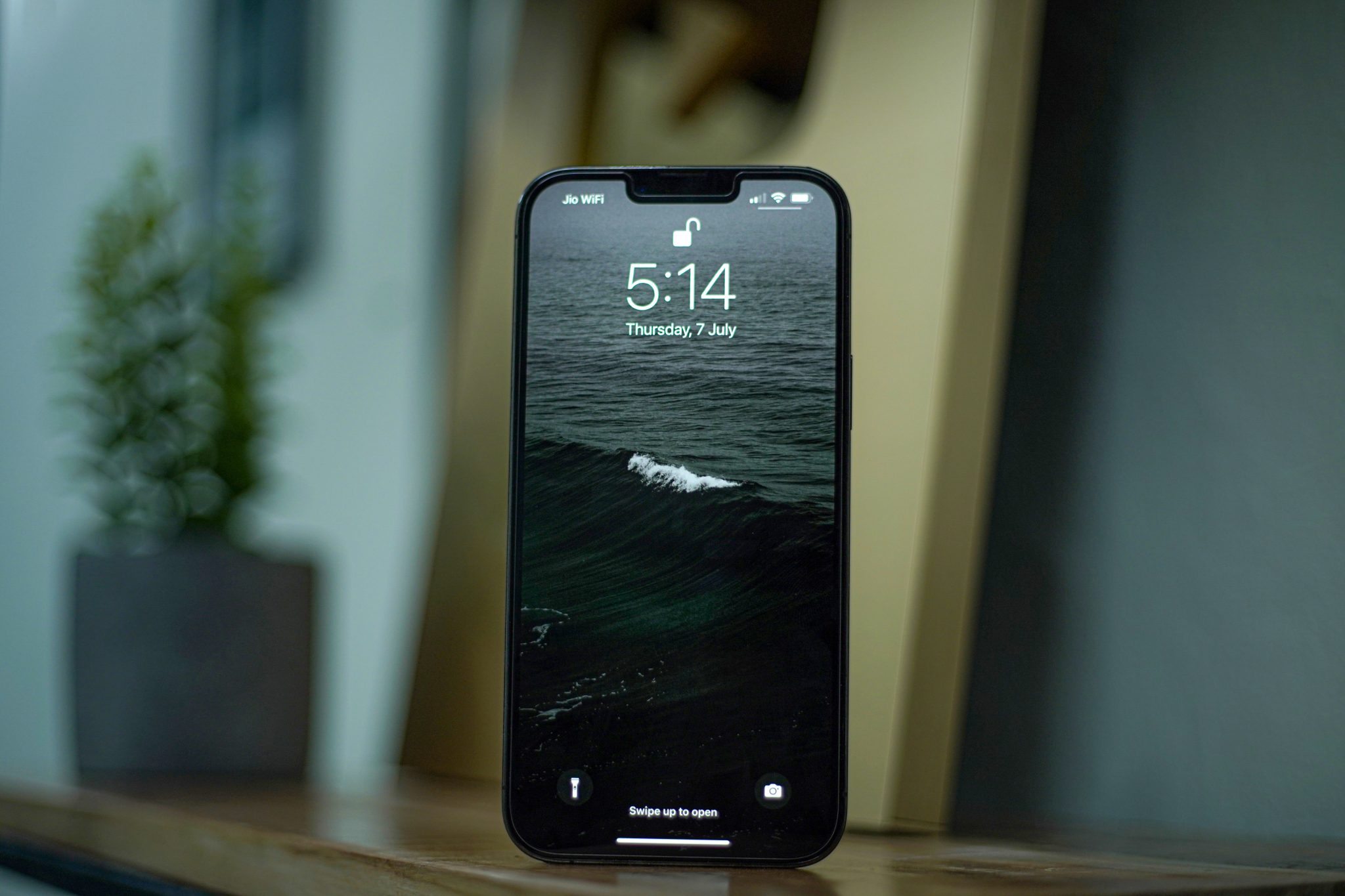
The iPhone 13 Pro Max is physically larger and heavier than the iPhone 11 Pro Max, a meaningful difference for one-handed use. The 13 Pro Max measures 6.33 x 3.07 x 0.3 inches and weighs 8.47 oz (240 g), while the iPhone 11 Pro Max measures 6.22 x 3.06 x 0.32 inches and weighs 7.97 oz (226 g). The gap is small on paper but noticeable in-hand.
The 13 Pro Max also switched to flat stainless steel edges, a departure from the rounded aluminum frame of the 11 Pro Max. The flat sides look sharp but can feel less comfortable during extended use. Both phones carry an IP68 water and dust resistance rating.
For size-conscious buyers, the iPhone 11 Pro Max is the easier phone to hold. If you are stepping up from an 11 Pro Max to a 13 Pro Max, expect the 13 to feel slightly larger in every dimension.
iPhone 13 Pro Max
Screen
Both phones use OLED panels with the Super Retina XDR branding, but the 13 Pro Max pulls ahead in every display metric. The screen grows from 6.5 inches to 6.7 inches, and the screen-to-body ratio improves from 83.7% to 87.4% thanks to a smaller notch and thinner bezels.
The bigger upgrade is the ProMotion 120Hz adaptive refresh rate, which makes scrolling and animations far smoother than the fixed 60Hz display on the 11 Pro Max. Brightness also improves: the iPhone 13 Pro Max reaches 1,000 nits typical and 2,000 nits peak outdoor, compared to 800 nits typical on the iPhone 11 Pro Max. The 13 also gains Ceramic Shield front glass for better drop resistance, while the 11 uses standard tempered glass.
👉 Worth considering: Best iPhone Widgets in 2026
Performance
Apple has led the smartphone market with its powerful chips. The A15 Bionic in the 13 Pro Max is built on a 5nm process with a maximum clock of 3,200 MHz and roughly 15 billion transistors. The A13 Bionic in the 11 Pro Max runs on 7nm with a 2,650 MHz clock, a clear generational step back.
Benchmark comparisons (Geekbench 5 era figures) show approximately a 32% gain in single-core performance and a 37% gain in multi-core performance for the A15 over the A13. The 13 Pro Max also doubles RAM to 6GB, which helps with multitasking and keeping more apps in memory simultaneously. For demanding games, video editing, or simply running modern iOS without slowdowns, the 13 Pro Max is the faster choice by a comfortable margin.
Camera
Camera quality is where the two phones diverge most sharply in real-world use. Both carry a triple-camera system with wide, telephoto, and ultra-wide lenses, and both can shoot 4K video with optical stabilization. The 11 Pro Max's Night Mode was excellent when it launched in 2019, and the 13 Pro Max extended that lead with faster apertures and larger sensors.
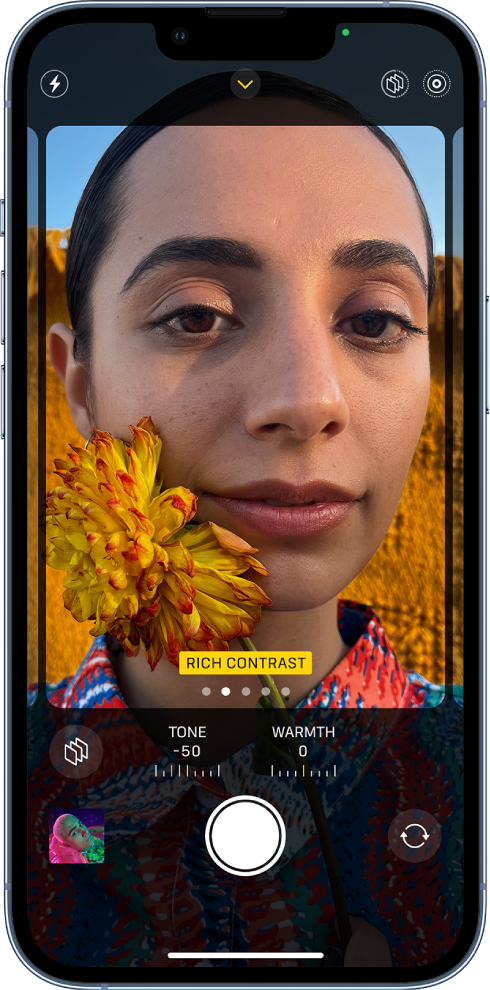
The differences go beyond specs. The 13 Pro Max captures a Night Mode photo in roughly 1 second, compared to 3 seconds on the 11 Pro Max, and it adds macro photography capable of close-ups as tight as 2 cm. Photographic Styles apply consistent creative adjustments to every photo in real time, and Cinematic Mode brings shallow depth-of-field video to a wide audience.
Photographic Styles Image: Apple
The 13 Pro Max also carries a LiDAR scanner (absent on the 11 Pro Max), used for augmented reality accuracy and faster Night Mode portrait shots. Combined with sensor-shift optical image stabilization, the 13 delivers noticeably sharper handheld shots in low light.
Storage
Both phones offer non-expandable storage. The iPhone 13 Pro Max comes in 128GB, 256GB, 512GB, and 1TB, while the 11 Pro Max tops out at 512GB with a lower entry point of 64GB. If you need the maximum local storage available, the 1TB option on the 13 Pro Max is a clear advantage.
Connectivity
The iPhone 13 Pro Max supports 5G, while the 11 Pro Max is limited to 4G LTE. For users in areas with solid 5G coverage, the speed difference is real, particularly for streaming, cloud backups, and hotspot use. Both phones support Wi-Fi 6, Bluetooth 5.0, and dual-SIM via eSIM.
Battery life
Battery life is one of the most significant practical differences. The 13 Pro Max reaches 28 hours of video playback and 25 hours of video streaming. The 11 Pro Max manages 20 hours of video playback and 15 hours of video streaming, a gap that is especially noticeable when watching content or commuting.
The 13 Pro Max also reaches up to 95 hours of audio playback versus 80 hours on the 11. For heavy users, the 13 stretches comfortably through a full day and then some; the 11 starts to show its age more visibly under sustained workloads.
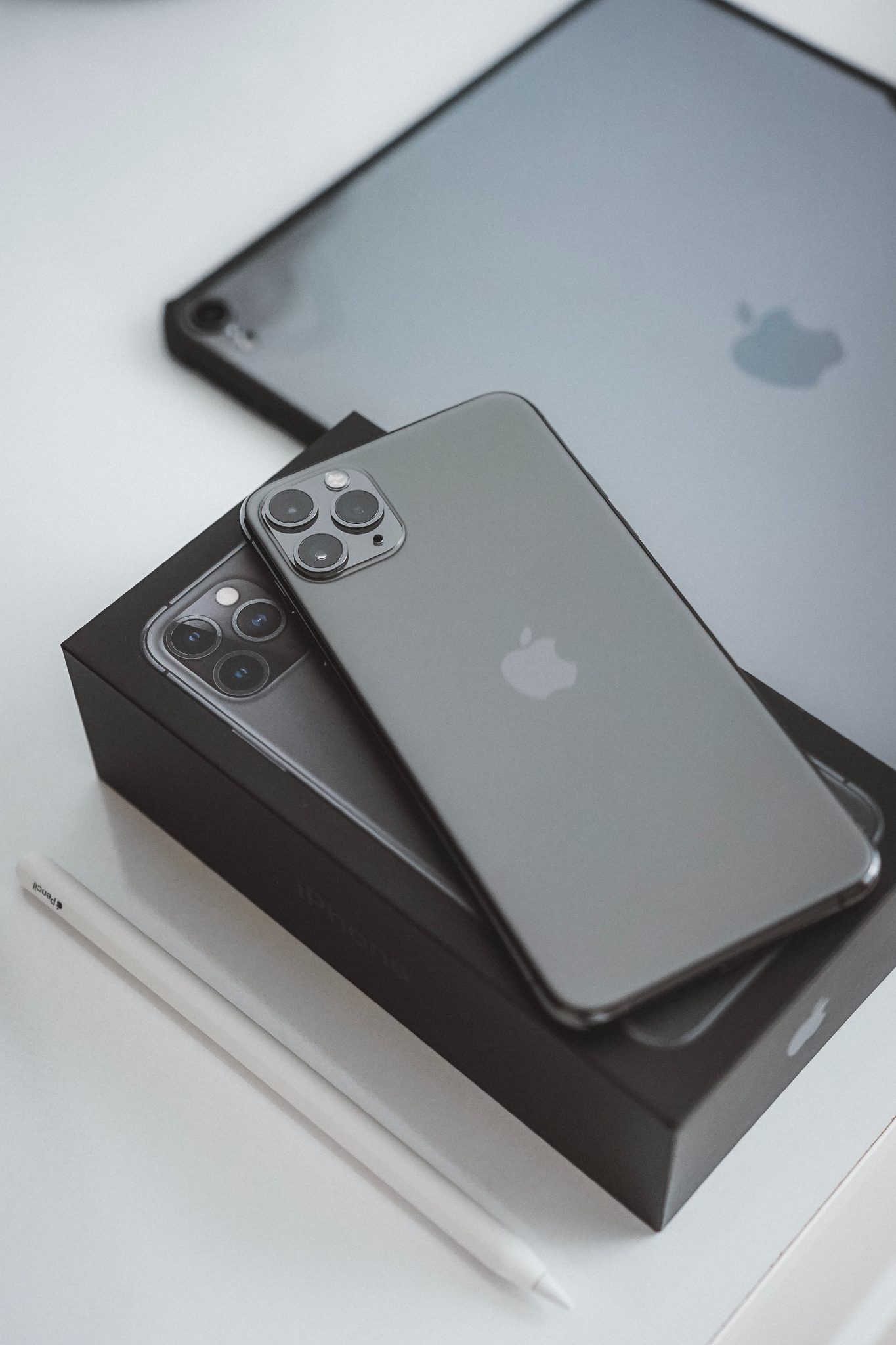
iPhone 11 Pro Max
Charging
The iPhone 13 Pro Max supports up to 27W wired charging, versus 18W on the iPhone 11 Pro Max. In practice, both Apple phones tend to charge slowly compared to Android competitors; neither includes a charger in the box. The 13 Pro Max adds MagSafe compatibility for fast wireless attachment and charging at 15W, while the 11 Pro Max is limited to standard 7.5W Qi wireless charging.
🆚 Related comparisons:
- iPhone 11 vs. iPhone 13
- iPhone 12 Pro Max vs. iPhone 13 Pro Max
- iPhone 13 Pro Max vs. iPhone 14 Pro Max
- iPhone 13 Pro vs. Pro Max
- iPhone 13 Pro Max vs. iPhone 15 Pro Max
- iPhone 14 Pro vs. iPhone 14 Pro Max
- iPhone 14 vs. iPhone 15
Refurbished prices in 2026
Both phones are now available only on the refurbished market, and the price gap is the deciding factor for most buyers. RefurbMe tracks live listings across certified refurbishers so you can see the real floor before you buy.
iPhone 11 Pro Max refurbished price
The iPhone 11 Pro Max starts around $230 refurbished for a 64GB unit in good condition, rising toward $425 for higher-storage models in excellent condition. Back Market typically holds the lowest entry price, while the Apple Store carries Apple's own one-year warranty at a premium. Check the live floor below.
64GB storage
Midnight Green
64GB storage
Silver
64GB storage
Space Gray
iPhone 13 Pro Max refurbished price
The iPhone 13 Pro Max starts around $369 refurbished and runs to roughly $569 for the 1TB model, depending on storage and condition. The step up from the 11 Pro Max is often modest in the used market, which is why the 13 Pro Max wins on value for most buyers. Compare refurbished iPhone 13 Pro Max prices across sellers to find the current best deal.
Frequently Asked Questions
Takeaway
The iPhone 13 Pro Max is the stronger all-round device, with a faster chip, better display, superior camera system, 5G, and longer battery. Both phones are only available refurbished in 2026, and the 13 Pro Max remains the more future-proof choice thanks to its ongoing iOS support and more capable hardware.
The iPhone 11 Pro Max still works well for light use and is one of the more affordable ways to get into a premium-feeling iPhone. But for anyone willing to spend a bit more, the 13 Pro Max delivers a substantially better experience that will hold up for several more years. Find out more about how long Apple supports iPhones to factor software longevity into your decision.
👉 Learn more: Best places to buy refurbished iPhones in 2026
Last updated: Sep 15, 2026 · First published: Aug 8, 2023